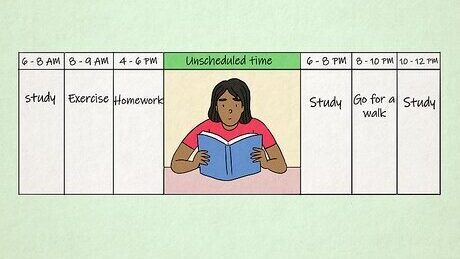

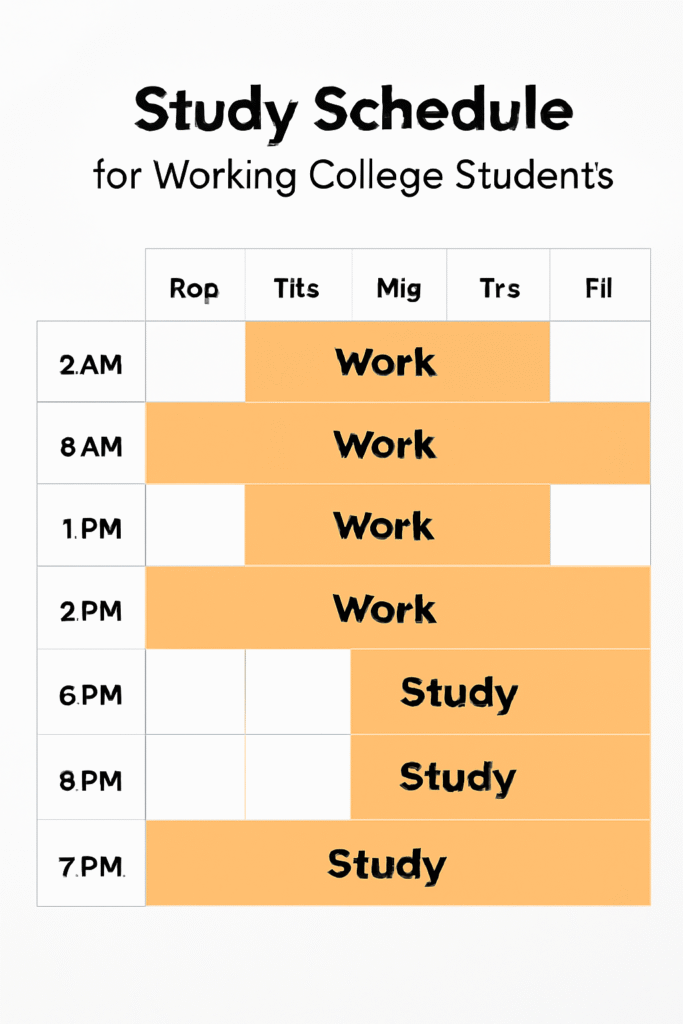
Study schedule for working college students
Time is Not the Enemy
What nobody tells working college students is that the real struggle isn’t balancing work and study. It’s the pervasive myth that there’s simply “no time.” Every day has 24 hours, and the most successful students don’t wish for “free time” to magically appear; they create it. The challenge is prioritizing what truly matters and eliminating the distractions that drag you down. Study schedule for working college students. Your future deserves more than last-minute cramming, yet too many students let life’s chaos dictate their academic success. Here’s the truth: balance isn’t about perfection. It’s about managing your schedule in a way that supports your personal life and ambitions without sacrificing your health or sanity. You have the power to build a college schedule that works for you, but it starts with recognizing what you really want to experience during these crucial years.
Why You Need a Study Plan: Mastering Your Time
The moment you add work, family obligations, and school to your plate, the mental load can feel overwhelming. But let’s talk about the reality: effective planning isn’t about waiting for “free time” to pop up. It’s about creating structured time blocks that align with your personal and academic goals. David Allen’s productivity method emphasizes that our brains aren’t designed to store all commitments at once. We need external systems, like a detailed study schedule, to organize tasks and prioritize them. Without a study plan, especially for working students, you might find yourself scrambling when deadlines collide. Start by acknowledging your non-negotiable obligations, like work, family, and personal time, and build your study blocks around those. There is no “perfect” time to study, so build flexibility into your schedule. Use this system to transform anxiety into manageable tasks and avoid burnout by planning strategically rather than reacting under pressure.
Analyze Your Current Study Habits: The Importance of Self-Awareness
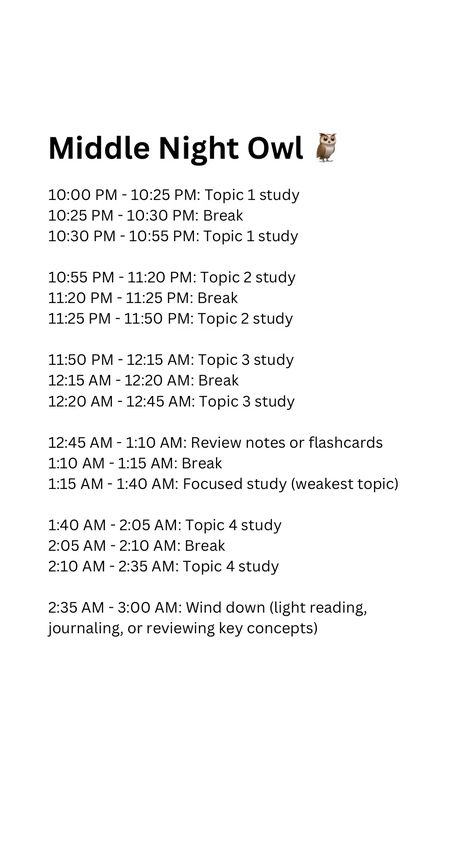
The first step toward an effective study schedule is recognizing where your time actually goes. Working students often feel like they are constantly studying, but a reality check reveals wasted hours. The first thing you need to do is track your time for an entire week—no edits, no judgments. Log everything from work to meals to your “free” time. You’ll likely be surprised by how much time you spend on distractions. This exercise will reveal hidden pockets of time that you can reclaim for studying. The key here is brutal honesty. Your schedule is already full, but by analyzing your current habits, you can make better decisions about where to dedicate your energy. For instance, maybe you’ve been spending 45 minutes scrolling social media, thinking it’s downtime but if you schedule this time effectively, you could be using it for reviewing notes or reading course material. The truth? Understanding your natural productivity rhythms is crucial. Whether you’re most focused early in the morning or late at night, design your study plan around when you’re most efficient.
Evaluate Your Current Schedule: Where Does Your Time Go?
Many students believe they’re managing their time well until they track their actual activities. Most of us underestimate how long we spend on tasks, leading to frustration and exhaustion. Start by auditing your time. Break down every hour of your day: work shifts, class hours, sleep, commuting, social activities, everything. The disconnect between perception and reality can be eye-opening. Once you see the full picture, plan study sessions based on what your schedule allows. Don’t overestimate the “free time” you have, and be realistic about your energy levels. If you work 30 hours a week, adding a 10-page paper due Friday isn’t just about finding time, it’s about planning when you can focus best. Instead of a rigid, unmovable study routine, make your schedule flexible and adaptable to changes that arise.
Plan Study Time for Each Class: Match Time with Task Complexity
Let’s face it: not all classes require the same amount of effort. Working students often treat all their subjects with equal urgency, but this approach often leads to burnout. The key here is recognizing that each class demands different time allocations. For example, chemistry might need a solid 3-hour block of focus time to work through complex problems, while a literature class might require less time but more frequent study sessions. Take each course syllabus and assess the time and effort needed for each assignment. Some assignments, like research papers, need months of planning. Others, like quizzes or online discussion posts, can be managed during breaks or commutes. By evaluating each course’s unique requirements, you can design a study schedule that works with your time—without feeling overwhelmed.
Embrace Flexibility: Making Your Schedule Work for You
A rigid schedule can quickly become an obstacle rather than a tool. The trick is flexibility. When life (and work) inevitably throws curveballs, a study plan should have enough elasticity to accommodate the changes. Can you swap your reading session on Wednesday for a review session on Sunday? Or maybe you can cut back on a non-essential activity to create emergency study time. The goal isn’t to stick to a perfectly planned routine, but to adapt when unexpected events arise. Moreover, balance is essential. You’re not a machine, don’t sacrifice your social life or well-being for the sake of grades. Build breaks into your schedule and allow room for “freedom sessions”—times when you completely disconnect from academic pressure. Without this balance, your academic performance will eventually suffer, as will your mental health.
Track Your Time: Making Time Management a Habit
Creating a study plan is just the first step. The real work comes in tracking your progress and staying committed to the schedule. How much time did you actually spend on that 3-hour study block you planned for Tuesday? Did distractions creep in, or did you stick to your designated tasks? Tracking this over time will help you identify what’s working and what isn’t, giving you the opportunity to adjust your schedule accordingly. Using digital tools like calendars or time-tracking apps can help. Set aside one hour every week to review your schedule and track your study progress. This allows you to see what’s working and where you need to make adjustments, ensuring you’re always moving toward your goals.
Maintaining Accountability: How External Support Can Keep You on Track
Accountability plays a crucial role in sticking to your study schedule. When you’re balancing work and school, it’s easy to let things slide. But having an accountability partner—a friend, a study group, or even a mentor—can help keep you motivated. Regular check-ins can be a simple way to make sure you’re on track and holding yourself accountable. By sharing your goals with someone else, you make yourself more likely to follow through.
Remove Distractions: Protect Your Focus
Distractions are the enemy of productivity, and when you’re balancing multiple commitments, they can feel like insurmountable obstacles. But here’s the truth: distractions aren’t the enemy; poorly managed distractions are. Identify the distractions that disrupt your focus, whether it’s social media, noise, or unplanned errands—and create a strategy to deal with them. Sometimes, a 15-minute “focus block” where you turn off your phone and commit to uninterrupted study time can be incredibly effective.
Leverage Tools for Study Planning
In today’s digital age, the right tools can make all the difference. Apps like Google Calendar, Trello, or even simple to-do lists can be transformative for working students. These tools allow you to see your time in a structured format, making it easier to assess your commitments and adjust as needed. They also give you a clear overview of your deadlines, study hours, and personal time, ensuring that you don’t fall behind.
Conclusion
A successful study schedule isn’t about following a strict set of rules. It’s about understanding your priorities, managing your time effectively, and recognizing that flexibility is key. Whether you’re studying during your commute or finding time in between work shifts, planning your time intentionally will not only reduce stress but will lead to better grades and more personal satisfaction. You’re building habits that will last far beyond your college years, and with each small step, you’re preparing for a future of balance and achievement.