Study schedule for college freshmen
When campus freedom collides with academic demands, most college freshmen discover their high school strategies won’t help them succeed anymore. Here’s what college introduces that catches students off guard: lengthy study sessions become necessary while simultaneously maintaining focus grows harder, juggling multiple assignments requires proven techniques nobody taught you, and newfound freedom paradoxically makes deadlines feel more overwhelming than liberating. The variety of challenges isn’t about intelligence; it’s about skill-building through methodically applied systems. Procrastination feeds on course materials that seem manageable until suddenly they’re not, which is why tackling work early on through a strategic approach matters more than raw study hours. Most freshmen find themselves overwhelmed because they try cramming extensive memorization into one sitting, then wonder why retention fails. The crucial shift involves approaching your workload as something requiring resilience and strategic planning rather than last-minute heroics. Traditional study tips about highlighting or rereading get refined once you realize that effective learning means actively engaging with complex material differently. Navigating these academic challenges successfully means developing systems where focusing happens naturally, organization becomes automatic, and time-management skills compound over semesters. What exacerbated most failures isn’t difficulty; it’s treating college-level demands like upgraded homework instead of recognizing they require fundamentally different strategies for efficient learning. New to college? Explore Scheduloom’s student resources for tools that support this transition. The right tools paired with a proactive approach transform campus life from reactive scrambling into confident execution, where you’re equipping students with abilities that prepare them for both future career and immediate academic success. Study schedule for college freshmen.
Creating a Study schedule for college freshmen
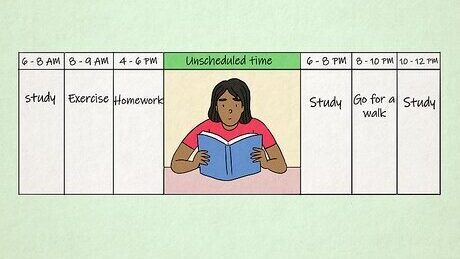
During my first year of college, I discovered something counterintuitive about managing a schedule: most students obsess over the perfect planner while their academic world crumbles around them. The real challenge isn’t finding the right app or digital calendars; it’s understanding that effective study habits emerge when you stop treating time management as a military operation and start viewing it as adapting to your brain’s natural rhythms. Freshmen often underestimate the time required for assignments, a tendency I call the “optimism trap.” Here’s what actually works: develop a regular weekly pattern where you review course material during those scattered free periods between classes, those 1-2 hour windows everyone wastes scrolling. Building effective routines means acknowledging that your ability to concentrate decreases rapidly after studying one course for more than two hours. Instead, switch between courses deliberately; this helps maintain mental freshness while preventing that glazed-over feeling. The transition from high school demands that you navigate increased workloads by creating coherent study plans that account for both exam preparation and daily maintenance work. Organizing coursework isn’t about color-coded perfection—it’s about developing systems that prevent last-minute cramming. My approach is to break tasks into smaller, manageable pieces while doubling my initial time estimates for everything. This practical strategy transformed overwhelming mountains of study material into manageable chunks, establishing habits that later proved invaluable in my future career. The secret lies in treating how to create a study schedule for college as an evolving experiment rather than a rigid blueprint.
Embrace the Power of Organization
You know what separates students who constantly scramble from those who maintain their sanity? It’s not intelligence, it’s organization. I’ve watched countless Cornell students transform their chaotic adult lives by developing systems that actually work for their unique rhythm. The truth about creating schedules isn’t following some rigid template; it’s about thinking deeply about how you naturally spend time and building structures around that reality. When you’re navigating a new environment with higher expectations, whether online or on campus, your study routine for new college students becomes the invisible architecture supporting everything else. Staying on top of academics means cultivating skills that go beyond cramming, which involves prioritizing what genuinely matters while accepting that some obligations will always compete for attention. Smart organization means setting goals that reflect actual capacity: daily goals for momentum, weekly goals for direction. The best morning routine for college students isn’t about waking at 5 AM; it’s about establishing predictable patterns that empower you to tackle challenges without burning out. Consider to-do lists not as guilt generators but as external memory systems, and time-blocking methods as experiments rather than commandments. Your study sessions should reflect when you’re genuinely alert, not when motivational Instagram posts suggest. This combined approach, mixing structure with self-awareness, creates a strong foundation for academic success. The strategies that help you thrive aren’t the ones that sound impressive; they’re the ones you’ll actually maintain throughout your college journey, through exam weeks and mental fog alike, consistently improving academic performance through sustainable systems rather than heroic effort.
Master the Art of Time Management
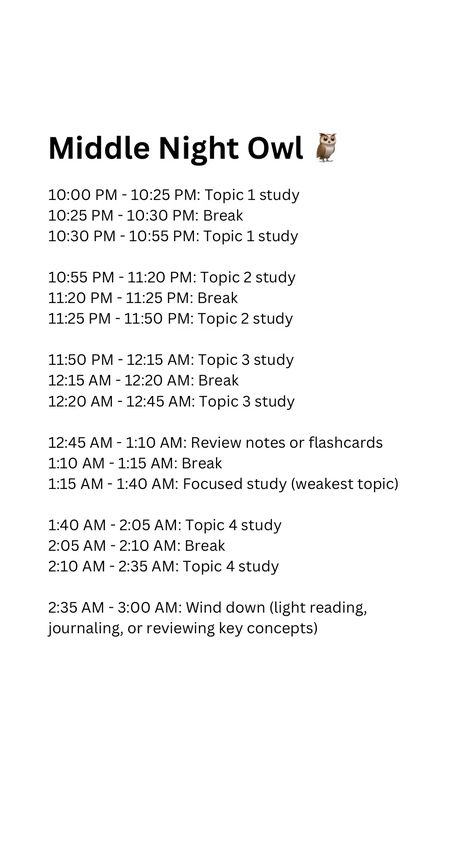
Looking back at my freshman year, I wish someone had told me that time isn’t just about scheduling, it’s about understanding when your brain actually works. Most college advice pushes rigid commitments and planned breaks, but here’s what nobody mentions: double your time estimates before anything else. Do you think that assignment needs two hours? Block four. This single strategy transformed how I handled academics without the constant panic. The real breakthrough came when I stopped trying to multitask—that productivity myth that makes you feel urgent about everything while accomplishing nothing. Instead, I learned to build time around my natural energy rhythms, identifying those peak performance periods when complex work actually made sense. Early birds might find morning sessions ideal, while night owls discover their focus emerges in the evening. What genuinely matters is paying attention to when you feel most alert and ready to tackle problems. The Cornell approach suggests you stop studying after 90 minutes of concentrated effort, but I’d argue it’s even simpler: work in 25-minute intervals using focused work bursts, then take 5-minute breaks where you actually get up, stretch, or grab a healthy snack. This Pomodoro Technique isn’t just about productivity—it prevents that guilt-ridden state where you’re “supposed to be studying” but really just goofing off. Create your study schedule knowing that balanced activities matter more than cramming. Plan genuine mental breaks between sessions, ensuring you eat, sleep, and socialize adequately. Higher expectations in college demand strong foundation habits, but responsibility starts with accepting you can’t keep track of everything mentally. Use apps or to-do lists with time-blocking methods to stay organized—whatever prevents stress and keeps obligations visible without overwhelming you.
Minimize Distractions and Focus
Maintaining concentration during study sessions often feels like fighting an uphill battle, especially when social media, phone notifications, and countless other distracting sites compete for attention. The reality? Most students feel genuinely overwhelmed by the constant pull toward these distractions, yet few understand that creating an environment specifically designed for focused work can fundamentally transform their academic performance. When I start any serious learning period, I first acknowledge that concentration isn’t about superhuman willpower—it’s about engineering circumstances where staying focused becomes the path of least resistance. Consider choosing a quiet study area away from high-traffic zones, then turning off every unnecessary digital interruption. Using tools like website blockers to limit access to entertainment platforms during designated work intervals proves more effective than relying on self-control alone. The Pomodoro method, which structures 25-minute intervals of focused study followed by brief rest periods, helps sustain focus across longer periods without mental burnout. What many overlook is how active learning strategies summarizing information in your own words or teaching concepts to a friend, naturally keep the mind engaged while simultaneously helping to deepen understanding. This dual benefit addresses both the challenge of minimizing distractions and the goal of actually retaining course material. When you’re genuinely absorbed in reconstruction and explanation rather than passive reading, external interruptions lose their magnetic pull because your brain is already receiving the stimulation it craves. The key isn’t fighting distractions directly; it’s making the study process compelling enough that wandering attention finds less appeal elsewhere. Think about how to optimize class schedule in college around your natural energy levels, then protect those prime hours ruthlessly through environmental design. College freshman schedule planning should prioritize creating these protected zones where deep work happens consistently, building habits that compound throughout your academic career.
Review Material Immediately After Lecture
Most students find that the time right after wrapping up a class session offers an unusual cognitive window; your brain hasn’t yet filed away what just happened into long-term memory, making it easier to solidify the material while neural pathways remain active. Instead of rushing to social time or jumping straight into other classes, spend time in those first 15-30 minutes doing a quick review of what the lecture covered. This doesn’t mean studying intensely or trying to absorb everything again; rather, take your notes and mentally walk through the key points discussed, identifying what makes sense versus what needs clarification. Many freshmen overlook this simple strategy, yet learning experts consistently emphasize how this immediate reinforcement dramatically improves retention without requiring extensive additional work. Think of it as creating a mental anchor while the information is still floating near the surface of consciousness. You’re essentially approaching the material twice within a compressed timeframe, which helps your mind organize the concepts more effectively than if you waited daily or weekly to revisit them. This practice becomes particularly valuable when preparing for exams, as you’ve already processed the content multiple times rather than encountering it fresh during test preparation. The challenge isn’t finding hidden time, it’s recognizing that those transitional moments between classes represent powerful opportunities to strengthen your academic foundation through minimal effort.
Find and Use Hidden Time
Most college freshmen feel like their full schedule leaves no breathing room, but the reality defies this perception. Transitional moments scatter throughout your day like unexamined currency waiting to be collected. Consider the 90 minutes you spend waiting: between classes, before appointments start, during meal prep, or when better-prepared classmates finish exams early while you’re stuck in the testing room. These aren’t “wasted” intervals; they’re cognitive opportunities disguised as downtime. I’ve watched students effectively transform ten-minute gaps into powerful review sessions by keeping easy-to-review format materials accessible—flashcards, condensed Cornell method sheets, or voice recordings of lecture highlights. The counter-intuitive truth? Working in scattered fifteen-minute bursts across different contexts actually strengthens neural encoding better than marathon sessions, provided you’re actively processing rather than passively scrolling. Many students make the mistake of believing productive work requires at least an uninterrupted hour, yet research on spaced repetition demonstrates that short breaks between micro-sessions enhance memory retention remarkably. Your brain doesn’t require massive time blocks to build understanding; it needs repeated, focused exposure across varied settings. Instead of feeling perpetually behind, start trying this: identify one five-minute pocket tomorrow and use it exclusively for course material. Without distractions, you’ll discover these moments aren’t trouble, they’re assets. The challenge isn’t finding hidden time; it’s recognizing that most people already possess it but tend to dismiss these fragments as insufficient. This strategy doesn’t demand adequate restructuring of your entire routine, just prioritizing attention toward the temporal margins everyone else ignores.
Switch It Up Between Courses
When I first started working through multiple subjects during a single study day, I noticed something counterintuitive: instead of getting mentally exhausted, my brain seemed to stay sharper for longer periods. The approach isn’t about mindlessly jumping from topic to topic; it’s about understanding how your mind processes different types of cognitive demands. Covering physics briefly, then shifting to literature analysis, then tackling calculus creates what cognitive scientists call a method where the brain constantly resets and re-engages with fresh neural pathways. Dividing your study sessions this way prevents the diminishing returns that happen when you hammer away at one subject for hours. I’ve watched fellow students spend entire afternoons on organic chemistry, only to realize they’ve been reading the same paragraph repeatedly for the last twenty minutes. The key here is recognizing when saturation hits, usually around the 50-minute mark for dense material. Alternatively, lighter subjects might allow 90-minute blocks before your comprehension drops. What makes this particularly powerful is that each transition acts as a micro-break for the previous subject, allowing concepts to settle and reinforce retention without you actively trying. Your brain continues processing that earlier material subconsciously while you’re focused elsewhere. Breaking up your schedule this way also helps with staying motivated; monotony kills engagement faster than difficulty does. When you tackle varied subjects, you’re essentially creating a rhythm that keeps mental fatigue at bay, making your overall work output more effective than grinding through tasks sequentially.
Cultivate Effective Study Habits
When you’re navigating through your semester, the difference between those who excel academically and those struggling often comes down to whether they’ve learned to stay engaged with their coursework beyond the surface level. Most freshmen enter college thinking academic success means logging more hours at a quiet desk in their dorm or finding the perfect secluded spot in the library, but that’s missing the bigger picture entirely. The real transformation happens when you develop habits that make every minute count—not just working harder, but genuinely smarter. Start by recognizing that studies aren’t about marathon sessions where you feel productive while your brain gradually shuts down. Instead, focus on creating a study routine that leverages your natural rhythms. Some students might be most alert during morning hours, while others find their concentration peaks after dinner. Understanding when you’re naturally primed to retain information means you’ll reduce the amount of time needed for challenging material. However, this isn’t about finding one magic formula; everyone has certain times when they’re simply sharper. The key is making intentional choices about when to tackle complex tasks versus when to handle lighter reviewing. Another critical piece involves how you structure your physical space. Having a designated area, whether it’s at a library corner or your own setup, can significantly enhance your productivity. But forget sterile environments; adding small elements like a motivational quote or plant makes the area more inviting without crossing into distraction territory. Choose spaces with proper lighting and comfortable seating, keeping necessary materials within reach. This consistency in your study location helps signal to your mind that it’s time to work, while a clutter-free, organized space naturally supports your ability to concentrate.
Navigating Academic Challenges
When freshmen first face their coursework, the responsibilities can feel like they’re exacerbated by everything happening simultaneously: new social dynamics, unfamiliar campuses, and the pressure of exams rolling in faster than anticipated. But here’s what many colleges don’t tell you upfront: academic challenges aren’t solved by panic-studying at midnight. Successfully handling these moments requires a different approach. Start by identifying the challenging sections of each assignment before they become emergencies. When you begin carefully reviewing what’s expected for a project, you prevent stress from accumulating into something unmanageable. Delaying tasks might provide temporary relief, but it often leads to increased stress and a heavier workload later on. Instead, breaking larger tasks into smaller steps, even manageable steps like research, drafting, or editing, makes deadlines less daunting. Create a timeline that allocates attention to each phase of your work, allowing you to seek help or allocate extra effort where needed. Focusing on one task at a time ensures each part of the assignment receives the attention it deserves. The real shift happens when you understand that approaching assignments strategically isn’t about perfection; it’s about making the process feel less overwhelming. Combat procrastination by setting specific goals for each part and rewarding yourself after completing each milestone, no matter how small, a snack, a short walk, whatever helps. This teaches you habits that benefit you throughout your educational journey, boosting overall confidence while improving the quality of your work.
Break Study Material into Manageable Chunks
Most freshmen assume breaking down massive textbooks into digestible segments means dividing chapters equally, but here’s what actually works from personal experience: approach your material by identifying complex topics first, then utilize reverse chunking—work backwards from exam questions to understand what concepts truly require memorization versus what needs comprehension. I’ve watched countless students dealing with overwhelming assignments, feeling paralyzed because they tried to tackle everything linearly. Instead, find the challenging sections that need the most attention and break those into smaller, manageable pieces using mind mapping or structured outlines. Think about how each task connects to specific learning objectives rather than arbitrary page counts. Don’t let yourself get stuck worrying about finishing fully—focus on particular points that enhance understanding. Create lists breaking material into realistic blocks you can complete within focused intervals, whether it’s 30 minutes or an hour. This strategic approach helps you stay engaged without burnout, making study sessions more productive. Keep track of what you’ve covered thus far in each course, and you’ll realize chunking isn’t about avoiding work—it’s about making overwhelming content easier to process, retain, and retrieve when those tests arrive.
Enhance Memory Through Mnemonics
You know what’s fascinating? Most students discover their peak memorization abilities not through marathon cramming sessions, but by accidentally stumbling upon techniques that transform abstract information into something their brain actually wants to retain. I’ve watched countless freshmen struggle with complex material until they realized that mnemonics aren’t just childish tricks; they’re sophisticated mental health tools that reduce cognitive overload during those brutal exam weeks when stress threatens to derail everything you’ve worked toward. The real magic happens when you combine memory devices with active learning, creating cues that allow your mind to capture information in manageable chunks rather than drowning in large amounts of disconnected facts. What separates effective memorizers from those who panic before tests isn’t natural talent—it’s their willingness to explore unconventional approaches like the Method of Loci, where you visually organize course content by connecting related concepts to physical locations you know well. Think about it: when you prepare for cumulative finals, traditional rote repetition becomes a brutal resource drain on energy levels, but employing acronyms and rhyming schemes suddenly makes that intimidating biology taxonomy or historical timeline feel more inviting. The trick isn’t memorizing harder; it’s about establishing neural pathways that help your brain organize information incrementally, so when pressure mounts and things feel overwhelming, you’re not scrambling to reconstruct everything from scratch. Taking fifteen minutes to create memorable associations supports long-term retention far better than spending hours reviewing notes passively, and this refined approach doesn’t just improve your academic performance—it trains your mind to handle information processing challenges that present opportunities for genuine cognitive growth throughout your educational experience.
Maintaining Well-Being
Looking back at my undergraduate years, I realize now that well-being wasn’t just about avoiding burnout; it was about understanding how my mind and body functioned as interconnected systems requiring consistent attention. The campus offers mental health resources that most freshmen don’t hesitate to seek support from until a crisis hits, but I learned that practicing self-care and mindfulness work best as preventive techniques rather than emergency responses. Taking care of the basics, proper sleep of seven hours per night, and balanced meals with regular hydration—might sound mundane, but these foundational elements literally keep your mind and body in top shape for the cognitive demands ahead. What surprised me most was discovering how physical activity served as a powerful tool for managing stress and improving my overall mood; whether through a competitive sport, casual walking, a structured gym workout, or even a quick daily session of stretching, any form of movement you actually enjoy will enhance energy levels far more effectively than another cup of coffee. The real revelation came when I stopped viewing relaxation techniques like deep breathing, visualization, or mindfulness meditation as time-wasters and recognized them as essential ways to calm my mind during particularly intense periods. Making it essential to care for your mental health isn’t weakness—it’s strategic thinking, especially during stressful exam periods when a little stress feels normal and even motivating, but crosses into unmanageable territory faster than you’d expect. Smart students remember that staying organized, taking breaks, and actively talking to a counselor when needed helps keep pressure at manageable levels rather than letting it compound into something that derails an entire semester.
FAQS
How many credit hours should I take as a college freshman?
Most full-time freshmen take between 12-15 credit hours per semester, which typically equals 4-5 classes. While 12 credits is the minimum for full-time status, taking 15 credits per semester keeps you on track to graduate in four years without needing summer courses, College Discover. For every hour spent in class, expect to study about two hours on your own, meaning 15 credit hours translates to roughly 45 hours of academic work per week.
How much time should I actually dedicate to studying each week?
The general rule is that for each credit hour, you should plan for two hours of study time outside of class. College requires significantly more independent learning than high school, with most comprehending, memorizing, and learning happening outside the classroom rather than during lectures. Scheduling one day per week to review work in each course cumulatively can take just 10-20 minutes per class,but saves significant time when preparing for exams.
What classes will I take during my freshman year?
Most freshmen take general education requirements across subjects like math, science, English, and social sciences rather than major-specific courses, as prerequisites often prevent first-years from diving into their intended major immediately to College. Many schools require at least English 101, and may also mandate courses like Introduction to College or Diversity and Inclusion College. Universities typically offer First Year Seminar courses designed to help students adjust to college academics and expectations University
Should I schedule morning classes or afternoon classes as a freshman?
Freshmen often have limited scheduling flexibility and may be required to take 8 a.m. or 9 a.m. classes, especially if they register after upperclassmen, as freshman courses are held in large lecture halls with limited time slot availability. The “perfect” schedule doesn’t exist universally it depends on individual preferences, with some students thriving in early morning classes while others perform better with later schedules. Most classes are offered in multiple sections, allowing some flexibility to tailor your schedule to your natural rhythms.
How do I balance my study schedule with other commitments?
Creating a detailed schedule that includes class times, work, activities, sleep, eating, and even showering provides a realistic picture of available study time and prevents overcommitting. A common cause of academic difficulty is overcommitting and underestimating how much time various responsibilities actually require. Balancing graduation requirements with exploration of interests during the first semester ensures you stay on track while discovering potential majors. Building flexibility into your schedule is crucial, as rigid plans often fail when unexpected demands arise.