How to create a study schedule for college
I’ve watched countless students stumble through their first semester, believing they can wing their course loads without planning. The harsh reality your brain doesn’t function optimally when you’re devoted to long days in a row without breaking patterns. Research from learning experts at Cornell shows that mastering time management starts with acknowledging that twice the effort doesn’t equal twice the results; it’s about strategic scheduling. Traditional students often face a typical challenge: treating every class like it demands equal attention, when actually, your math class might need thirty minutes of nightly review, while that English class requires longer writing sessions spread throughout the week. The accepted rule of studying two hours for one hour of class time sounds neat on paper, but I’ve seen it take creative adjustments based on individual learning patterns. At Scheduloom, we help students master effective scheduling by recognizing that a 15-credit semester with 30 hours per week of outside class work becomes manageable when you evaluate what works specifically for your cognitive rhythm. Online students particularly need this self-discipline because learning more independently without physical campus presence demands conscious effort. Using a digital calendar or calendar app isn’t just about keeping track; it’s about creating boundaries around your study time so conflicts don’t arise from poor time allocation. Cornell student data reveals that those who develop structured approaches finish their degree or certificate program faster, not because they’re inherently smarter, but because they’ve figured out what their mind actually needs to retain material effectively. Working adult learners balancing job and family obligations especially find that blocking specific commitments prevents that How to create a study schedule for college feeling of being overwhelmed when assignments pile up unexpectedly.

Plan a Schedule of Balanced Activities
When your week transforms into fragmented chaos, most college students discover that success isn’t about cramming more studying into available slots—it’s about architecting deliberate equilibrium. I’ve watched countless individuals treat their calendar like a Tetris game where every block must fit perfectly, yet they forget that human cognition doesn’t operate in mechanical sequences. The real challenge here involves recognizing that your brain performs differently across various times of day, making strategic placement of activities more crucial than sheer volume. Consider how a typical approach might schedule three consecutive hours of reading followed by gym time, but this creates cognitive fatigue that diminishes both physical performance and mental retention. Instead, working professionals who returned to school often demonstrate superior time management by treating their study sessions as appointments with specific purposes rather than vague “study time” blocks. Your digital calendar becomes your accountability partner when you set boundaries around committed activities marking not just when classes meet or when your job demands attention, but also designating windows for movement, social connection, and genuine rest. The college study planner methodology I’ve refined involves color-coding different activity types: intellectual work appears in one shade, physical activity in another, while administrative tasks like checking your course syllabus or responding to instructors get their distinct marker. This visual system helps you instantly recognize whether you’ve created a humane rhythm or designed your own burnout. What surprises most learners is discovering that a free study schedule template for college students rarely accommodates the reality that learning happens everywhere—during your commute, between commitments, even while preparing meals.
Analyze Your Current Study Habits and Learning Style
Before diving into creating any schedule, most students overlook a critical step: understanding how they actually learn and where their current time disappears. I’ve noticed that college learners often jump straight into ambitious study plans without examining their natural rhythms—are you someone who can concentrate effectively during early mornings, or does your brain wake up after sunset? Learning experts suggest tracking your actual behavior for one full week before making changes. Grab a paper calendar or calendar app and honestly document when you’re genuinely productive versus when you’re just staring at course materials. Notice if you’re tempted to check social media every five minutes, or if certain subjects drain your motivation faster than others. The accepted rule among educational psychologists is that self-awareness precedes successful planning. Consider whether you’re someone who needs complete silence or if music helps you focus—this isn’t about what learning experts on some LSC webpage recommend, but what actually works for your unique wiring. Do you tend to underestimate how long assignments take, consistently running out of time before deadlines? Are you that person who feels pressured to study for hours without planned breaks, thinking that’s somehow more effective? Understanding these patterns—whether you’re naturally flexible in switching between subjects or if context-switching destroys your efficiency—becomes the foundation for any weekly study schedule college students can actually maintain. Track your distractions, your peak focus periods, and those moments when you become overwhelmed. This honest assessment reveals more than any generic template ever could about building a study plan that won’t discourage you within three days of starting.
Evaluate Your Current Schedule and Time Management
Before diving into creating an effective study plan, most students overlook the diagnostic phase that determines why their current approach isn’t working. I’ve watched countless learners feel overwhelmed not because they lack time, but because they haven’t honestly assessed how their existing schedules actually function. Start by tracking one typical week—and I mean everything: when you’re genuinely productive versus when you’re just pretending to work, which hours naturally help you retain material versus when your brain feels like it’s underwater. Think about those long blocks where you tried studying subject after subject but couldn’t focus—was it because you needed a break, or were you attempting to complete mentally intensive work during your biological low-energy window? The best study timetable for college students emerges from understanding your actual time allocation patterns first. Notice what works: do you finish assignments faster in morning silence or evening chaos? How much time disappears into your commute, and could you use that downtime differently? Find patterns in how long tasks actually take—not how long you think they should take. Most people discover they’ve been trying to force productivity during hours when their mental ability naturally decreases, or they’ve scheduled back-to-back classes without accounting for transition time. This diagnostic helps you build something sustainable rather than another aspirational schedule that doesn’t work by week two.
Plan How Much Time You Need to Study for Each Class
When working through your certificate program or traditional degree programs, understanding how much energy each course demands becomes less about arbitrary numbers and more about reverse-engineering your actual learning outcomes. Most students tend to underestimate what they’ll need – not because they’re poor planners, but because they’re using generic formulas instead of analyzing their own learning style. Here’s what nobody tells you: that English class term paper might take triple the hours you’d spend on math class equations, not because one is harder, but because writing demands longer incubation periods where ideas work themselves out subconsciously. Double whatever time estimates feel realistic initially – this isn’t pessimism, it’s acknowledging that preparation involves invisible cognitive work. Online students especially need this buffer since they’re navigating independently without the automatic accountability their counterparts in traditional student settings enjoy. Look at your Canvas module requirements for upcoming quizzes, tests, exams, papers, and projects – then assess which truly require cumulative review versus isolated study sessions. Different courses demand different cognitive resources: memorization-heavy subjects benefit from brief regular weekly touchpoints, while conceptual material needs longer focused blocks. Each semester, evaluate whether you’re treating homework assignments like urgent transactions or meaningful learning goals. The typical challenge isn’t finding time – it’s making conscious decisions about how to plan a study schedule during your term rather than cramming everything the night before an exam. This approach transforms how you master specific content while staying accountable to yourself without external pressure.
Develop a Schedule
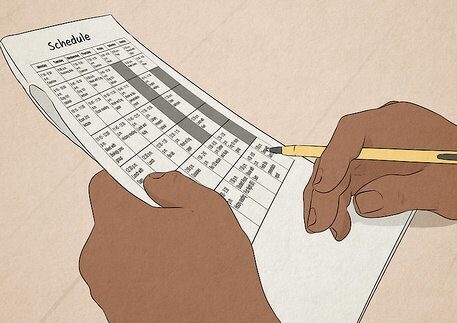
Most students underestimate how time management transforms when they stop treating their study plan as optional. The typical college education demands something many overlook: reverse-engineering your weekly calendar before classes begin. Start by calculating backwards from major exams and projects rather than forward from today. Research shows that dedicated time blocks fail when students ignore their standing commitments and extracurricular activities first. Assess your work schedules against school schedules—not tomorrow, but during syllabus week when professors outline everything. The ratio matters: for every class time hour, budget two hours for outside class preparation, though new technology and AI tools might reduce this slightly for certain courses. Set aside marathon study sessions of 1-2 hour blocks maximum; beyond 90 minutes, your brain stops retaining material efficiently. Balanced activities aren’t rewards—they’re structural requirements. Sleep, eat, and socialize strategically between studying bursts. An effective study schedule and college framework means treating preparation like work obligations with actual consequences when you skip commitments. Double your time estimates for any assignment or task—beginners chronically underestimate. Rearrange your calendar to ensure genuine available slots exist; if there’s little room, something must give up space. Free Study Schedule Templates help visualize where hours actually disappear. The counterparts who succeed don’t possess superior intelligence—they hold themselves to scheduled discipline that others abandon by midterms. Planning isn’t a restriction; it’s claiming sufficient control over your term before chaos claims you.
Assess Your Weekly Calendar
Before anyone tells you to create a color-coded schedule with perfectly balanced activities, let me share what actually happens when participating in real college life. Most students I’ve worked with initially face this assessment process backward—they try making an ideal calendar without understanding what currently eats their time. Here’s a contrarian truth: your available hours aren’t about what you should do; they’re about acknowledging what you’re actually doing. Take your current week and map every specific day’s commitment—not aspirationally, but honestly. That job you hold? Write down exact hours. Family obligations that randomly arise? Block those too. Public transportation commutes where you’re busy scrolling? Those count. The campus events you like attending? They take time, whether you admit it or not. Now, here’s where effective strategies diverge from typical advice: don’t immediately cut back on nonacademic activities or hobbies. Instead, find patterns in when conflicts happen. Are certain time blocks consistently chaotic? Do socializing commitments hold you organized or scatter your focus? A study routine for college students isn’t built by eliminating life; it’s constructed by working with reality’s shape. Think of this first step as archaeology—you’re excavating how time actually disappears before completing any fancy planning system. Your school week probably has more hidden pockets than you realize, but you can’t use what you can’t see. This assessment isn’t about judgment; it’s about working from truth rather than fiction, making your eventual study plan something you’ll actually follow rather than abandon by week three.
Remove Distractions and Focus
You know what really works when preparing for a big exam or tackling that paper due next week? It’s not just sitting down with textbooks and hoping for the best—it’s about creating an environment where your brain can actually function without constantly fighting off interruptions. I’ve seen students sabotage their own success by trying to study while checking email every few minutes or keeping their phone within arm’s reach, then wondering why their reading speed takes forever and nothing sticks. The effective truth is that distractions reduce your time spent in genuine focus by at least half, which means that one hour of distraction-free work beats three hours of goofing off disguised as studying. Before starting any study session, I recommend physically removing distractions from your workspace—don’t just silence your computer notifications, get them out of sight entirely. Find a location where you won’t constantly feel the pull of socializing or entertainment, whether that’s a quiet library corner or even just a different room at home. This approach isn’t about being extreme; it’s about helping yourself stay on task when working through complex material that requires sufficient mental bandwidth. When you develop this habit of actually studying without constant interruptions, you’ll notice your coursework gets done more efficiently, and you won’t waste those precious hours that could have been spent mastering material instead of perpetually restarting your thought process.
Review Material as Soon as Possible After the Lecture
Here’s something most students won’t tell you: the immediate aftermath of a lecture holds more power than cramming sessions ever will. While everyone rushes to their next class, those who succeed understand that the time between walking out and grabbing lunch represents their brain’s peak receptivity window. During those first 30 minutes, neural pathways remain fresh, making it far easier to solidify concepts rather than reconstructing them weeks later when exam pressure mounts. I’ve watched countless working adult learners in my degree program struggle because they believed review could wait until weekends, only to discover that test material had become foreign territory requiring complete relearning rather than simple reinforcement.
- The myth of studying more hours later versus fewer minutes immediately after class continues despite cognitive research proving otherwise. Your mind doesn’t keep information in suspended animation it actively begins discarding details within hours. Finding those little blocks of time transforms everything: summarize notes while the professor’s voice still echoes, connect previous class concepts to today’s material, and prepare mental frameworks for the next class before leaving campus. This approach eliminates the overwhelming sensation of facing mountains of unfamiliar content when exams arrive. Questions that seemed clear during lectures suddenly become cryptic riddles if you don’t engage them immediately.
- Better yet: this habit creates psychological freedom for your evening hours. Instead of worrying about what didn’t get done or feeling guilty about unfinished work, you’ll actually be able to relax knowing foundational review already happened. Your school day ends with genuine confidence rather than mounting anxiety about looming responsibilities that multiply exponentially when ignored.
Find and Use “Hidden Time” for Studying
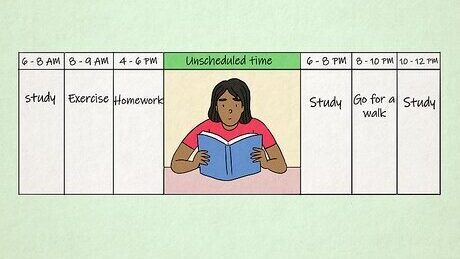
Most college students underestimate how much scattered time exists between their classes and structured commitments, yet these fragments often represent the best opportunities for academic progress. The good reality is that every day contains enough pockets of 15-30 minutes that, when used strategically, can help you stay ahead in several courses without feeling overwhelmed. Review your weekly calendar and identify these hidden intervals—between lectures, during office hours you’re not attending, or while waiting for appointments. Instead of mindlessly scrolling through social media, use these moments to review notes from the previous lecture, create flashcards for an upcoming test, or take a brief pass through study guides. Taking several short sessions throughout the week proves more effective than marathon cramming because your brain retains information better with distributed practice. Start by identifying just two or three consistent hidden time slots each week—perhaps the 20 minutes after your morning class or the gap between afternoon commitments. Plan specific tasks for these periods rather than vague intentions to “study.” Try using a study planner to track these micro-sessions and watch how quickly they add up. Studies show that students who leverage these overlooked periods consistently accomplish significantly more than those who wait for long, uninterrupted blocks that rarely materialize. The key isn’t making more time, it’s becoming more efficient with the time you already have by treating these fragments as real study opportunities.
Switch It Up Between Subjects
When planning your study approach, time spent on continuous engagement with identical material creates diminishing returns that even the most disciplined students encounter. I’ve observed countless learners hit cognitive walls not from lack of effort but from working through monotonous sessions without strategic variation. The neuroscience behind learning reveals something fascinating: your brain processes information differently when you switch between disciplines rather than drilling one subject for marathon durations. College life demands managing multiple courses simultaneously, and here’s where tactical rotation becomes your secret weapon. Instead of spending three consecutive hours memorizing biology terms, try alternating 50-minute blocks between studying biology, calculus, and literature—this approach leverages what researchers call “interleaving,” which strengthens long-term retention far better than traditional cramming. Your neural pathways actually need variety to encode information effectively; when you stay locked on singular topics, attention naturally deteriorates regardless of willpower. Creating deliberate transitions between subjects keeps mental energy elevated while allowing previous material to consolidate subconsciously. Think about how professional athletes cross-train rather than repeating identical movements—your academic schedule deserves similar strategic diversity. The break you take isn’t just physical rest; shifting from quantitative reasoning in mathematics to analytical writing provides active recovery for different cognitive systems. Many undergraduates resist this method initially, fearing they’ll lose momentum, but consistent practice reveals increased productivity across all disciplines. Making conscious decisions about rotation patterns rather than random subject-hopping will help maintain focus while preventing the burnout that plagues single-subject marathons.
Plan and Take Real Breaks
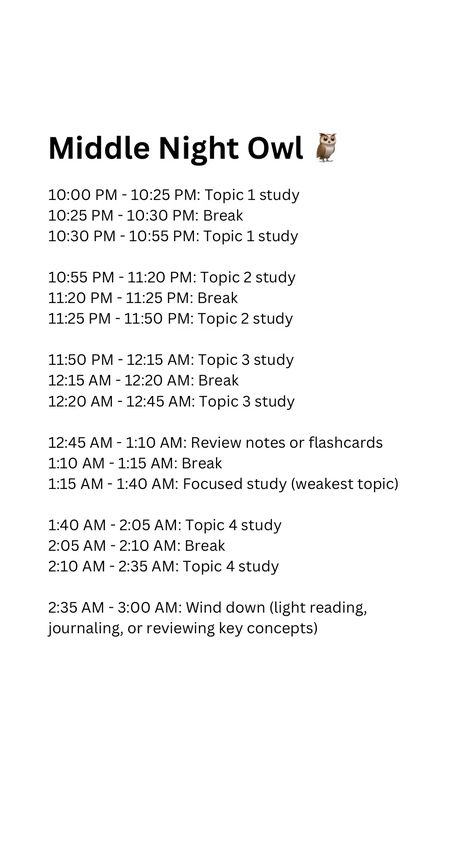
Here’s something most students rarely admit: the brain doesn’t operate like a machine that can process information continuously without consequences. I’ve watched countless peers push through marathon study sessions, convinced that sheer endurance equals academic success, only to discover their retention rates plummeting after the second hour. Taking breaks isn’t about weakness—it’s about respecting cognitive science. When you plan your break strategy, think beyond scrolling social media or grabbing coffee. The key lies in intentional rest that genuinely resets your mental state. I learned this during my chemistry finals when I started incorporating movement-based pauses: walking around campus, stretching, or even reorganizing my desk created mental distance from complex concepts. Real breaks involve complete disengagement from academic work, allowing your subconscious to process what you’ve absorbed. The mistake many students commit is treating breaks as rewards rather than necessary components of learning. Schedule these intervals before fatigue sets in, not after you’re already mentally exhausted. Your productivity depends on this rhythm—studying for fifty minutes, then completely stepping away for ten creates sustainable momentum. College demands this strategic approach because cramming without recovery produces diminishing returns. Effective breaks maintain your capacity to engage deeply with challenging material, preventing that afternoon fog where nothing seems to stick anymore.
Try the Pomodoro Technique
I’ve discovered through years of testing various approaches that the Pomodoro Technique operates on about 90 minutes of biological rhythm manipulation, though Francesco Cirrilo designed it with shorter intervals. The acclaimed time-management system has transformed the fundamental approach by creating artificial urgency through brief intervals rather than marathon sessions. What most students miss is that this isn’t just about times when you focus—it’s about how the brain processes material during courses where attention spans naturally dwindle. The technique works by forcing rapid cognitive shifts before mental fatigue sets in, which explains why switching up between intensive focus and deliberate pause helps maintain neural plasticity. When implementing this, include realistic buffer zones rather than rigid 25-minute blocks, because particular activity demands vary wildly. A good rule of thumb I’ve developed is to estimate your initial completion target, then double it—this accounts for unexpected complexity and prevents the crushing disappointment when something takes longer. The genius lies in treating each interval like a work obligation with consequences attached; don’t meet your block goals, and suddenly your entire evening evaporates. What makes this effective is the psychological contract you establish with yourself: complete the focused session, and yourself can finish studying guilt-free. The technique also provides built-in accountability through measurable units, transforming abstract “study time” into concrete achievements that motivate continued effort throughout the semester.
Keep Up With Regular Review
The mind operates like a sieve when information sits untouched—memory pathways weaken within hours if left dormant. I’ve watched countless students scramble before exams because they treated review as optional rather than essential to their academic survival. Here’s what actually happens: when you review material within 24 hours of initial exposure, your brain doesn’t have to reconstruct everything from scratch—it reinforces existing neural connections instead. Think of Cornell Notes not as busywork but as a strategic system where you’re summarizing concepts while they’re still fresh, preventing that frustrating moment when lecture content feels completely foreign weeks later. The reality most students miss? Review isn’t about cramming more hours into your study routine—it’s about distributed repetition that transforms short-term retention into lasting comprehension. I’ve seen a transformation when students commit to a minimum of 15-minute sessions every day rather than marathon catch-up attempts. Your assignment isn’t merely completing readings; it’s circling back to yesterday’s chapter material as soon as possible, treating it like you’d tell your grandma about what you just went through in class—that conversational encoding makes details more accurate and retrievable. This approach transforms how you navigate time demands because review becomes integrated into your week rather than existing as a separate obligation. Regular check-ins with material create compound learning effects that make exam preparation feel less like starting from zero and more like activating what’s already stored, which fundamentally changes your grade trajectory and confidence approaching any next evaluation. The future belongs to students who understand that reinforcement determines retention more than initial study intensity.
Stick to Your Schedule
The boundaries you set become meaningless without consistent execution—should be treated like non-negotiable appointments rather than loose suggestions that dissolve when feeling resistant. Stick requires understanding that initial resistance fades once momentum builds, particularly important when assignments pile up and panic threatens to derail planning. Self-discipline emerges not from willpower alone but from making your environment work for you—remove temptations before sessions begin, turn off notifications that fragment attention, and close unnecessary browser windows that invite procrastination. The coherent system you’ve built includes accountability mechanisms: someone who checks your progress, a study partner who shares your commitment, or even apps that track completion. Stick to your rhythm by acknowledging that every so often, adherence wavers—this is normal, not failure. What separates successful students from struggling ones isn’t perfect compliance but rapid course correction when deviations occur. Your schedule functions as both map and mirror, revealing patterns in your behavior while guiding daily choices. Don’t get discouraged by occasional slips; instead, assess what triggered the deviation and adjust the plan accordingly. Make sure your commitment doesn’t rely solely on motivation, which fluctuates wildly—build systems that function regardless of emotional state. The dates marked on your calendar represent commitments to future success, and honoring them consistently transforms sporadic effort into sustained achievement that compounds over weeks and months.
Maintain Accountability
Maintaining accountability in your study routine isn’t about rigid self-punishment—it’s about designing systems that make studying inevitable rather than optional. I’ve watched countless students treat their academic commitments like suggestions rather than appointments, and the difference between those who succeed and those who struggle often comes down to this single factor. Think about how you structure your daily existence: when a work shift is scheduled, you show up; when a doctor’s appointment is set, you attend. Yet somehow, study blocks become negotiable the moment conflicts arise or when we’re not working at our expected pace. The psychology here is fascinating—treat your study sessions with the same non-negotiable energy you’d give to a job interview, and suddenly your brain stops searching for escape routes. Conversely, when you view study time as flexible, you’re essentially telling yourself it doesn’t matter. I’ve found that the best accountability systems involve external witnesses: study groups where absence is noticed, or even public declarations of intent. However, here’s where it gets interesting—accountability doesn’t mean never adjusting. If something’s genuinely not working, you don’t suffer through ineffective methods out of stubbornness. The trick is distinguishing between strategic pivots and mere avoidance. Don’t let yourself cancel a study session for watching your favorite show or eating your favorite snack—those are entertainment disguised as needs. Instead, use breaks strategically, followed by returning to the task. The length of your commitment matters less than the consistency of showing up.
Evaluate Your Study Plan and Adjust as Needed
Many students wrongly assume their initial schedule remains static, but assessment reveals patterns demanding continuous refinement. Through tracking actual performance against projected outcomes, you’ll notice where adjustments become critical—perhaps that chemistry block needs expansion while history sessions shrink. Ongoing observation exposes whether priorities align with reality or if you’ve been deceiving yourself about productivity. When exam results disappoint, don’t spiral; instead, examine what works and what doesn’t with ruthless honesty. Notice if certain times of day yield sharper focus—maybe those Tuesday morning slots are perfect for difficult concepts while evenings suit lighter review. Your plan isn’t sacred scripture; it’s a living document requiring regular tweaks. Throughout the semester, changing workloads demand flexibility—midterms concentrations differ from finals pushes, and assignments vary in complexity. Check in weekly to determine if you’re actually studying effectively or merely logging hours. Take time to reflect on whether strategies match your learning style or if you’re forcing square pegs into round holes. The successful student learns through trial and error, constantly evolving their approach. Adjust timing, methods, or locations when stagnation appears. This iterative process transforms good schedules into great ones, ensuring every hour invested yields maximum results rather than wasted effort.
Why Do I Need a Study Plan?
Let me be direct: most college students stumble through semesters without any coherent system, then wonder why their grades crater during finals. Here’s what nobody tells you—the difference between thriving and barely surviving isn’t about intelligence or natural ability. It’s about understanding that effective learning operates on principles most people completely miss. When I first started teaching, I noticed students who struggled weren’t lazy; they simply lacked a framework for translating time into actual knowledge retention. A well-structured study plan isn’t some rigid prison—it’s strategic architecture that transforms chaos into clarity. Think about this: without intentional planning, you’re essentially hoping random effort produces consistent results. That’s like expecting to build something functional without blueprints. The reality hits hard when exams arrive, and you realize scattered cramming sessions created nothing but stress and surface-level understanding. What makes a good study plan transformative isn’t just organization—it’s the psychological shift from reactive panic to proactive control. You need this framework because your brain learns through patterns, repetition, and spaced exposure, not through desperate all-nighters. Many students think they lack discipline, but really, they lack the structure that aligns with how memory actually works. A solid plan becomes your external brain, freeing mental energy from constantly deciding what to study next. It helps you balance multiple classes, track progress, and spot problems early before they become catastrophic. Without this, you’re perpetually behind, always trying to catch up rather than staying ahead.
Leverage Tools For Creating a Study Plan
When you’re thinking about optimizing your academic workflow, the right digital tools become non-negotiable allies in crafting a sustainable routine. Most students have heard about apps like Google Calendar or Notion, but rarely do they use these platforms with genuine strategic intent, instead treating them like fancy to-do lists rather than dynamic systems that help track cognitive load across multiple demands. Academic pressure doesn’t announce itself politely; it arrives in waves, and without proper scaffolding, you’ll find yourself underwater fast. I’ve watched countless peers attempt manual tracking only to abandon it after two weeks because the friction was too high. Tools like Trello or Asana allow you to visualize how assignments cascade across weeks, revealing patterns you’d miss with pen and paper—like noticing three major exams cluster in mid-October, giving you permission to frontload study sessions in September. The beauty lies not in the app itself but in how it forces architectural thinking about your time: when you drag a task from Monday to Wednesday, you’re making an explicit trade-off visible. This transparency prevents the self-deception that ruins semesters—the false belief that you’ll somehow “find” time later. Modern scheduling platforms also integrate with class syllabi, auto-populate recurring study blocks, and send reminders that keep you honest when motivation wanes. The key is choosing one system and committing fully rather than fragmenting your attention across multiple platforms, which ironically creates more chaos than it resolves.
FAQS
How can technology assist me in organizing my academic routine?
When you’re making a study plan, tools can aid tremendously, though some people find a simple pen not helpful compared to digital solutions. Consider other ways like setting reminders at the end of each session to manage your workflow. Artificial intelligence (AI) has become increasingly useful for sorting materials such as practice quizzes and making your approach more efficient. AI tools can generate ideas for organizing content or proofread your written work before submission. Always consult your school’s and instructor’s AI policies to ensure compliance with academic integrity standards.
What benefits come from having a structured academic approach?
Time management skills help you navigate college demands successfully and ensure you complete necessary assignments. Working more independently becomes achievable when you structure your own learning path systematically.
Should I modify my approach if something isn’t working?
It’s all about being efficient through making changes when needed—it’s perfectly okay to figure out what works best for your unique situation and adapt accordingly.
How do I stay committed to my academic responsibilities?
Staying accountable works well when you seek opportunities for discussion and collaboration with other classmates. Coordinate study sessions; however, some individuals tend to concentrate better around others while remaining independent. Whatever approach you do have will likely strengthen your commitment.
What happens when my planned routine gets disrupted?
Life happens even when you’ve followed your schedule religiously; unexpected circumstances may arise. If you don’t have time for a planned session, reschedule it rather than abandoning it. Conversely, reward yourself by watching your favorite show while eating your favorite snack after completing difficult tasks. Remember to follow through on rescheduled commitments.