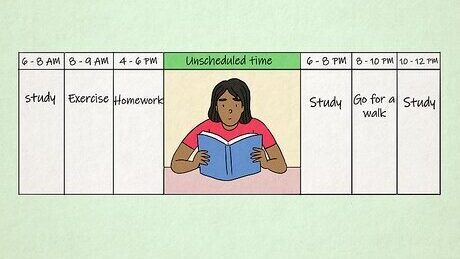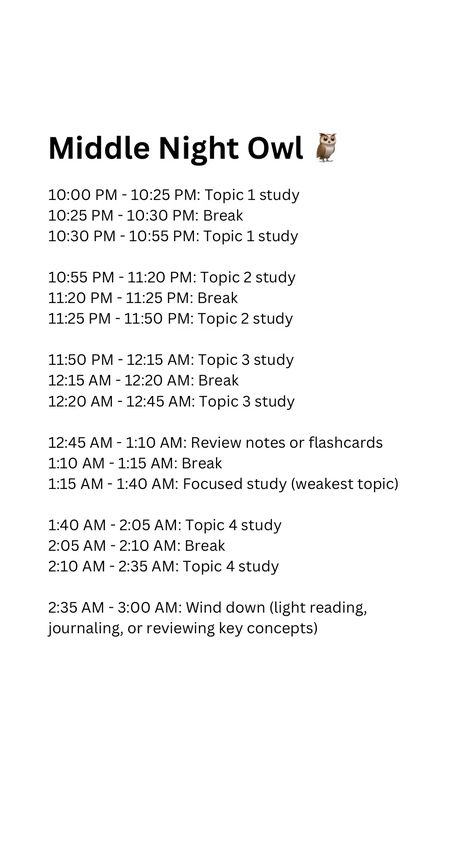
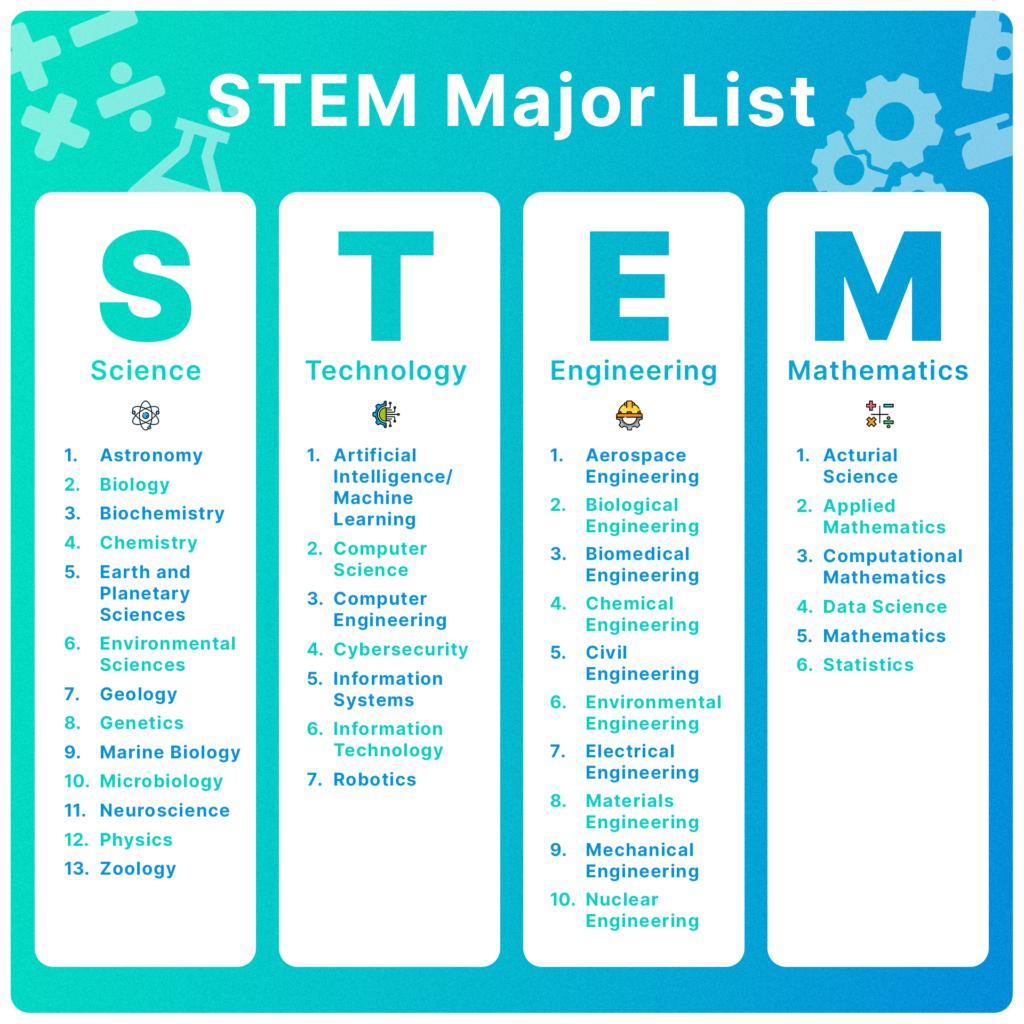
Study schedule for stem majors
When you’re staring down a semester packed with organic chemistry, calculus II, and some school-required humanities class, the reality hits differently than orientation day promised. I’ve watched countless undergrads collapse under rigorous schedules, not because they lacked intelligence, but because nobody taught them that time management in STEM fields operates on a completely different frequency than other disciplines. The National Survey of Student Engagement from 2011 revealed something most academic advisors won’t emphasize: STEM majors genuinely spend around 20 hours studying per week, and that’s conservative when you factor in lab sessions where work stretches beyond scheduled blocks. Here’s what separates those who graduate from those who become part of that attrition rate: understanding that your course load isn’t just about credit hours on paper. Full-time students technically need 12 credit hours to maintain status, but if you’re serious about finishing your engineering study schedule on track, you’re looking at 15 credit hours minimum while juggling homework, professor’s office hours, maybe a paid research position, and still trying to maintain something resembling a social life. The bachelor’s degree requires well-rounded graduates, meaning you’ll also select classes outside your comfort zone to fulfill those general education requirements. Most colleges and universities now recognize the growing demand for STEM workers—that 7.6 million workforce earning 26% more than non-STEM counterparts so they’ve started implementing support systems like extended tutoring sessions and modified course sequence options. But here’s the uncomfortable truth: even with increased office hours and tutoring centers offering free tutoring, you still need to Master difficult courses with Scheduloom or a similar systematic approach because two-thirds of STEM workers hold that college degree, and getting there means avoiding the buildup that makes students question their major choice entirely.
Why You Should Consider a STEM Major
Looking back at my high school days wandering around campus, I never imagined the STEM industry would become my path—but here’s what changed everything. The job growth trajectory alone tells a compelling story: while other fields face saturation, STEM degrees consistently open doors to opportunities that weren’t even imagined a decade ago. What really matters isn’t just the solid paycheck waiting at graduation, but the job security that comes from being genuinely interested in solving problems nobody else can crack. Think about it differently when you’re a STEM major, you’re not just memorizing formulas for STEM courses; you’re building a science major study plan that trains your brain to think systematically about everything from climate patterns to artificial intelligence ethics. The daily life reality? Yes, STEM classes demand more time upfront, especially when you’re navigating rigorous academic requirements and demanding coursework that keeps you busy on a daily basis. But here’s the insider perspective: those intensive problem sets and time-consuming labs aren’t obstacles; they’re your competitive advantage in a marketplace that rewards people who can handle complexity. The increasing demand for STEM professionals (Science, Technology, Engineering, Mathematics) means you’re investing energy into a field where employers actively compete for talent rather than the reverse. Beyond financial considerations, there’s something profound about mastering challenging material that fundamentally shapes how you approach uncertainty—whether that’s in research, graduate school, or entrepreneurship. When you commit to this path, you’re essentially betting on yourself to become someone who thrives where others hesitate.
Challenges of Sticking With A STEM Program
Discipline becomes your compass when navigating the uncertainty that defines STEM majors, though most undergrads underestimate how overwhelming the actual commitment proves until finals hit simultaneously across multiple classes. The average engineering student discovers routine transforms into chaos when challenging subjects like advanced math collide with research deadlines—studying for exams while maintaining a balanced lifestyle requires strategies most freshmen haven’t developed through High School Preparation. You’ll find time-intensive coursework demands more than showing up to class; regular study sessions become necessary survival mechanisms, not optional habits, especially when Course Load expectations assume you’ve mastered how to study for multiple classes at once while simultaneously managing work-study programs. Nineteen point seven million students nationwide prove that juggling employment with academic demands isn’t unusual—71 percent of undergrads work, yet STEM degree holders face particularly difficult prerequisites that penalize procrastination mercilessly. The intimidating reality? Your math study routine in college years establishes whether you catch up or get ahead, because prescribed course requirements build sequentially, miss foundations in one semester, and subsequent material becomes incomprehensible. Organizations providing tutoring services witness patterns: students who seek help early through office hours or study groups demonstrate better retention than those who cram last-minute before examinations. Mental health deteriorates when sleep gets sacrificed repeatedly, yet maintaining physical health through regular exercise somehow feels like luxuriously wasting valuable hours that could address mounting assignments—this paradox traps countless students who ultimately realize well-being directly impacts cognitive performance.
Start Planning Early / Create a Four-Year Plan
Most students who drop out of a STEM program do so because they underestimated what the four years would demand, not academically, but logistically. Here’s what nobody tells you: your degree isn’t derailed by calculus; it’s sabotaged by poorly mapped semesters where you realize too late that prerequisites weren’t met regularly. I’ve watched college students frantically add courses in their third year, only to discover they’ve locked themselves out of required coursework for graduation. The track forward gets messy when you haven’t planned which specific course requirements align with both your major and any postgraduate programs you’re eyeing. Med school applicants especially find this out painfully those specific graduation requirements aren’t suggestions. Start by meeting with academic advisors during your first year to ensure you’re not just enrolled in random classes that feel easy. Map out when you’ll tackle particularly demanding subjects, and identify which summers or winter sessions could help you lighten the load later. The Pomodoro technique for college students works brilliantly here, break your planning into focused 25-minute blocks to avoid overwhelm. Study how lighter credit loads in certain semesters give you breathing room for work, extracurriculars, or internships. STEM student time management hinges on this upfront strategic planning. You’re not just attending classes, you’re architecting a successful career trajectory. Think of your course load as a chess game: every semester move affects what’s possible three steps ahead. Without this careful planning, you’ll spend your final year scrambling instead of preparing for what comes after graduating.
Commitments of a STEM Major
The reality hits differently when you’re three weeks into organic chemistry and realize your Friday nights now revolve around problem sets rather than spontaneous adventures. This isn’t about painting a grim picture, but understanding what STEM occupations genuinely demand from undergraduates who choose this journey. According to a 2014 study by the National Center for Education Statistics, approximately half of students leave these disciplines, and the improvement in rate has less to do with curriculum difficulty and more about mismatched expectations. What separates those who graduate from those who switch tracks? It’s recognizing that a STEM program requires orchestrating multiple commitments simultaneously, academic rigor meets practical experience, while your personal well-being somehow needs attention too. You’re not just attending class; you’re building a four-year plan that balances required courses with electives, internships with research opportunities, and study time with maintaining a healthy social life. The growing industry surrounding science and technology offers remarkable rewards—STEM careers typically command higher salaries, with one-third earning significantly more than non-STEM workers—but getting there means managing a demanding workload that feels impossibly dense some semesters. Smart students leverage every academic resource their institution provides, from office hours to study groups, while also thinking strategically about summer sessions to lighten their regular semester load. Seeking support isn’t a weakness; it’s recognizing that mastering entry-level STEM classes requires collaborative learning and professional guidance from academic advisors who understand degree requirements. The day-to-day routine becomes a calculated dance of priorities, where effective stress management techniques for college students and a solid study schedule for difficult majors aren’t optional—they’re survival mechanisms that enhance your capacity to absorb complex material while keeping burnout at bay.
Utilize Academic Resources / Leverage Available
When you’re navigating the college maze as a STEM major, understanding what’s truly available becomes less about discovering hidden gems and more about strategic deployment of obvious tools everyone overlooks. Most students walk past their advisor multiple times weekly, yet never meet until a crisis hits—that’s backwards thinking. The smartest approach involves treating academic support systems like a research lab: investigate everything once, map dependencies, then utilize efficiently. Faculty members holding office hours aren’t just sitting there grading papers they’re willing collaborators who can provide shortcuts through complex course material that textbooks never explain properly. Here’s what separates thriving students from struggling ones: regularly engaging tutoring centers before confusion compounds, not after. Campus libraries offer more than quiet study spaces—embedded subject specialists can guide you toward resources that reduce weeks of fumbling into focused afternoons. Career services shouldn’t wait until senior panic sets in; early guidance shapes your degree trajectory toward actual job markets. The University counseling infrastructure exists because balancing technical coursework with life generates legitimate stress—seeking help isn’t weakness, it’s maintenance. Leverage peer study groups not for socializing primarily, but because explaining concepts to others cements your own learning far better than passive review. Most majors never fully prepare by exploring departmental facilities like maker spaces or computer clusters during low-traffic hours. Smart utilization means scheduling advising appointments to review progress markers quarterly, not annually. Every resource you engage compounds; ignore them, and you’re essentially working harder while others work smarter within identical systems.
Stay Organized and Disciplined / Maintain Focus
When pursuing a STEM major, the reality hits differently than what prospectuses and brochures suggest. Life becomes a crazily orchestrated balance between factors that constantly compete for your attention. I’ve watched students who initially approached their undergraduate years with loose structures suddenly find themselves busy beyond imagination, ultimately discovering that discipline isn’t just helpful, it’s financially necessary for survival. The average engineering student doesn’t fail because of intelligence gaps; they stumble when courses pile up and they haven’t created systems to manage time effectively. Keeping track of assignments, lab reports, and problem sets demands more than digital calendars—it requires a minimum understanding that your day contains fixed blocks where focus becomes non-negotiable. Those who hold part-time jobs while attending classes average about 10-15 hours of work weekly, making organization critical to avoid academic collapse. The extracurriculars you pursue shouldn’t become distractions from your core academic goals; instead, build them into your schedule as planned commitments rather than spontaneous occurrences. I’ve seen successful STEM majors spend their Sunday evenings mapping out the upcoming week, identifying which classes need immediate attention and which topics can wait. This proactive approach helps you stay ahead rather than constantly catching up, ensuring you’re never late to achieve your graduation timeline. Maintain this discipline consistently, and you’ll discover that what initially seemed impossibly demanding becomes a manageable rhythm that actually enhances your learning experience.
Take Summer and Winter Courses / Maximize Your Time
During winter breaks and summer sessions, many STEM students find unconventional pathways to accelerate their academic journey a strategy I discovered after watching peers struggle with overloading their regular semesters. Universities and colleges increasingly offer condensed coursework that lets you earn credits outside traditional timelines, though this approach demands discipline beyond what most anticipate. The key lies in selecting courses that either satisfy general education requirements or fill gaps in your course sequence, preventing bottlenecks when advanced classes require specific prerequisites completed beforehand. I’ve observed students tackle challenging math courses during these compressed terms, finding the consistent study rhythm actually prevents the stress of cramming material alongside multiple simultaneous subjects. Work commitments become manageable when you’re dedicating time to just one or two intensive classes rather than five. Planning these intersession periods early transforms your four-year plan from rigid to flexible—you can spread out demanding workload strategically, mixing intensive summer research projects with lighter course loads. The experience proves particularly valuable for those pursuing internships that count toward credit requirements, as universities often permit combining practical field study with academic enrollment. However, maintaining a balanced schedule remains crucial; avoid the trap of viewing breaks purely as acceleration opportunities without considering your well-being. Regular advising sessions help ensure you’re maximizing available support systems while keeping track of how these compressed credits integrate with your broader academic roadmap. This timely approach to degree completion doesn’t suit everyone, yet for focused individuals willing to sacrifice traditional break periods, it offers remarkable advantages in graduating early or reducing semester pressure substantially.
Manage Your Electives Wisely / Choose Electives Strategically
The truth about electives often gets buried under pressure to fill every slot with what seems practical, but here’s what practitioners rarely admit: choosing courses outside your core discipline isn’t just academic filler—it’s strategic positioning. When you enroll in humanities or social sciences, you’re not abandoning rigor; you’re actually building cognitive flexibility that makes tackling complex STEM problems less mechanical. I’ve watched students focus exclusively on technical coursework only to struggle when career paths demand communication skills or ethical reasoning. The real advantage comes from exposing yourself to a variety of content areas that seem unrelated at first. Studies show that cross-disciplinary thinking strengthens problem-solving capacity in ways that classes within a single major cannot replicate. Consider how psychology courses enhance user experience design, or how philosophy sharpens algorithmic logic. Research indicates that students who balance their schedule with interesting non-STEM choices actually perform better in technical courses because their brains process information through multiple frameworks. Think about career planning long-term: employers value graduates who can bridge technical expertise with broader education perspectives. When you’re planning next semester, resist the urge to stack only major requirements; seek courses that challenge your assumptions about how knowledge connects. The college experience becomes richer when you take calculated risks with your academic plan, allowing seemingly disparate disciplines to inform each other. This approach doesn’t mean sacrificing technical depth; it means recognizing that comprehensive mastery in STEM fields increasingly requires understanding factors beyond equations and code. Your time in school is finite, so maximize each semester by treating elective spaces as opportunities for intellectual growth rather than throwaway credits.
Internships and Research Opportunities / Gain Practical Experience
Landing internships early transforms theoretical knowledge into tangible skills that employers actually value, yet most students wait until junior year when competition peaks and prime positions vanish. I’ve watched countless STEM majors scramble during their final semesters, realizing too late that hands-on experience separates mediocre applications from standout candidates. Start hunting for research opportunities during freshman year—professors actively seek motivated students willing to commit time to lab work, even if initial tasks feel mundane. These positions teach you how real science operates beyond textbook theories, exposing you to experimental design, data analysis, and collaborative problem-solving that no lecture can replicate. Campus research programs often provide stipends while building your resume, creating a foundation for more competitive internships at corporations or government labs. Don’t dismiss volunteer positions initially; they’re gateways to paid opportunities once you’ve proven your reliability and competence. Network aggressively through department events, career fairs, and professional organizations—personal connections frequently unlock internships never publicly advertised. Submit applications systematically throughout the semester, treating the process like a part-time job rather than an occasional task. Document every project, quantifying your contributions with specific metrics that demonstrate impact. The balance between coursework and practical experience defines successful STEM careers, so integrate internships into your academic plan rather than treating them as optional add-ons.
Seek Academic and Career Advising / Professional Guidance
When prospective students arrive on campus, many underestimate how professional guidance from academic advisors can fundamentally reshape their trajectory through challenging STEM fields. Rather than viewing advising sessions as bureaucratic checkpoints, think of them as strategic interventions where you discuss risk factors that lead to students leaving STEM fields prematurely—often tied to poor course sequencing or missed opportunities for Career Advising. Advisors possess institutional knowledge about which faculty members excel at making difficult concepts accessible, which sessions offer the most effective peer collaboration, and how to potentially align your interests with emerging career industries before they become saturated markets. The statistics are compelling: students who Seek Academic input regularly show higher levels of retention compared to those who navigate independently. Professional advisors can also guide you toward sources of funding, research opportunities, and connections with teaching assistants who’ve walked similar paths. Don’t hesitate to ask questions about everything from required prerequisites to how extracurricular clubs might complement your academic goals. These conversations ensure you’re not just surviving the program but actively positioning yourself where demand intersects with your evolving skill set. Academic staff can help you identify patterns in your performance, clarify misconceptions before they compound, and provide honest assessments about whether you’re on track toward your intended outcomes. This relationship becomes especially critical when you need to update your four-year plan or manage unexpected challenges that threaten your long-term success.
Stay Healthy and Balanced
I’ve learned through years of advising that maintaining physical and mental wellness isn’t just supplementary to academic success—it’s the foundation upon which everything else is built. When I observe STEM students who thrive, they’re not the ones grinding through consecutive all-nighters; they’re strategically managing their energy and mental health with the same precision they apply to complex problem sets. Regular exercise becomes non-negotiable, whether that’s hitting the gym between study sessions or integrating movement into your daily routine. What surprises most students is how much eating well directly influences cognitive performance. Your brain simply cannot process advanced calculus or organic chemistry efficiently when running on processed food and caffeine crashes. Sleep gets sacrificed first when deadlines pile up, yet research consistently shows that adequate sleep (7-9 hours) dramatically improves problem-solving abilities and information retention. Beyond the physical, mental wellness requires proactive attention: taking breaks isn’t laziness, it’s strategic recovery that prevents the burnout that claims so many promising STEM careers before they truly begin. I’ve watched brilliant students flame out not from lack of ability but from refusing to maintain boundaries between work and rest. The paradox is that those who deliberately schedule downtime and prioritize their well-being alongside their studies consistently outperform peers who treat self-care as optional. Your body and mind aren’t obstacles to overcome in pursuit of your degree; they’re the instruments through which you’ll achieve it, and they require maintenance as sophisticated as any laboratory equipment you’ll encounter.
A Day in the Life
Understanding the Reality of a 35-Hour Student Schedule
When you’re spending significant hours working as one of those 35-hour basis students, the broader reality hits differently than what early placement tests or AP courses suggested.
STEM Growth and Why Daily Rhythm Matters
Most STEM workers in the United States now represent 1 in 18 workers, with a projected 17% growth between 2008 and 2018, compared to just 9.8% growth in non-STEM occupations didn’t fully grasp how identifying their daily rhythm would become crucial.
Beyond Class Hours: Managing the Full Spectrum of Commitments
Start strong by understanding that this isn’t just about class hours; it’s about the full spectrum, where one in five students commonly work while fulfilling academic demands.
Planning Early to Support Your Four-Year Path
The acronym itself represents growing fields, yet the comprehensive guide mentality often misses the nuanced factors of actualizing your four-year plan through strategic early planning.
Using Planners, Calendars, and Digital Tools Effectively
Use planners, calendars, and digital tools not just to keep track of exams and important dates, but to establish routines you’ll stick with—consistency here will prevent the chaos that comes from missed assignments.
Maintaining Mental Space and Taking Strategic Breaks
Take care of your needed mental space through sufficient breaks, even when distraction feels like the enemy.
Extracurriculars and Strategic Involvement
Engage in extracurricular activities strategically; whether it’s sports, clubs, student government, or volunteer associations, these average eight hours weekly and include building your network with peers and classmates.
Study Groups, Office Hours, and Academic Support
Form study groups that reinforce understanding, attend office hours for clarification and guidance, and seek help from academic advisors regarding future career trajectories.
Internships as Real-World Learning Opportunities
Pursue internships for invaluable real-world learning that enhances your resume beyond theoretical knowledge.
Selecting Electives That Support Career Goals
Choosing electives is a great way of exploring relevant electives that align with job placements you’re targeting.
Using Summer and Winter Terms to Stay Ahead
Focus on catching up or getting ahead during summer and winter when you can use that time without the full load.
Maintaining a Healthy Lifestyle and Using Campus Services
Maintain a healthy lifestyle with a balanced diet, take advantage of services provided on campus, engage your social life deliberately, and join research opportunities as teaching assistants or interns.
Compensation and the Long-Term Value of Engagement
In many cases, students receive compensation. The valuable component here isn’t just about done homework or study hours; it’s the positive impact of these experiences from middle school age forward, where extracurriculars matter.
Avoiding Procrastination Through Organization and Discipline
Avoid procrastination by staying organized and disciplined, leverage available support through career services for resume building and interview preparation, and remember that less challenging math courses or non-STEM classes aren’t escape routes—they’re supported pathways when needed.
Mapping Course Offerings for a Balanced Semester
College research into course offerings helps you map out a detailed, balanced schedule that makes each semester easier while ensuring you’re on track.
Balancing Commitments and Social Life Strategically
Navigate this with friends who understand the number of commitments, socializing strategically rather than randomly, because the International Baccalaureate (IB) or advanced preparation you brought doesn’t automatically translate into managing the important dates and associated deadlines that define STEM education success.
FAQS
How many hours per week should STEM students study?
STEM majors typically spend about 20 hours studying each week CollegeVine, though this can vary. The general rule is that for every credit hour, students should study 2-3 hours per week. For example, if you’re taking 15 credit hours, expect to study 30-45 hours weekly outside of class.
Can you graduate in 4 years as a STEM major?
Yes, graduating in four years as a STEM major is possible with careful planning, discipline, and the right strategies. Students must take full loads of 15-16 credit hours each semester, and graduation depends on math placement and preparation University. Early planning through AP or IB courses in high school can help earn college credits before arriving on campus
Why do students drop out of STEM programs?
Nearly half of all college students who pursue STEM degrees leave the field or drop out. Students are more likely to drop out if they take lighter credit loads in STEM courses in the first year, take less challenging math courses initially, or perform more poorly in STEM classes than non-STEM.
How can STEM students manage their time effectively?
Creating a schedule is one of the most effective ways to ensure students stay organized and make the most of study time Use planners, calendars, or digital tools to keep track of deadlines, exams, and important dates, and establish a regular study schedule to prevent last-minute cramming. Students should prepare a color-coded weekly study plan and use periods between lectures effectively rather than just hanging around.
Should STEM students work while in school?
If you go to school full-time (12 or more units), you should work part-time (20 hours a week or less). If you must work full-time (40 hours a week), then you should take part-time units (6 units or fewer). College students, particularly in STEM disciplines, face huge challenges juggling between classes, part-time or full-time jobs, extracurricular activities, and social activities.