
Study schedule for night owls college
You know what nobody talks about enough? How studying at night for a schedule for night owls college isn’t just about flipping your sleep-wake cycle upside down, it’s about understanding that your brain genuinely operates differently when evening hours roll around. I’ve spent years watching students fight their natural rhythms, showing up chronically late to morning high school classes because they were convinced being a night owl was some kind of character flaw. Here’s the truth: your circadian rhythms aren’t broken; the world just wasn’t designed around them. When you’re energetic and focused past 9 PM while feeling sluggish and unfocused in the morning, that’s genetics working, not laziness. The real challenge hits high school students hardest; those brutal 7 AM or 8 AM start times clash directly with your natural sleeping preferences, creating this exhausting cycle where you’re constantly fighting to wake up early despite your body screaming otherwise. College students get slightly more flexibility in their course schedule, but even then, extreme night owl-ism becomes problematic when you realise most adult jobs won’t accommodate these patterns. I’ve watched brilliant students tank their grades and relationships simply because they couldn’t establish a consistent basis for their late-night study routine. The metabolism, hunger, and digestion patterns all shift too—your body systems genuinely crave different fuel at nighttime, which explains why you’re reaching for sugar and caffeine around midnight. What’s fascinating about true night owls is how your optimal energy hours typically mark that 9 PM to 1 AM window, making this your biological prime time rather than some consequence of poor planning or procrastination. Understanding this distinction completely changes how you plan your study sessions and maximise these nighttime sessions. Find your peak hours at Scheduloom to track exactly when your brain hits its natural stride, because building a late-night study starts with respecting what your sleeping patterns and natural body rhythms are already telling you.
What is a Night Owl?
I’ve encountered countless students who’ve been told their genetics betray them—that preferring evening hours over the crack of dawn makes them somehow deficient. But here’s what most study advice won’t tell you: being a night owl isn’t about laziness or poor discipline. Your circadian rhythms are literally wired differently, and studying at night college environments often forces you into patterns that feel unnatural. When someone naturally feels energised around 9 PM while others are winding down, that’s not rebellion—it’s biology dictating when their brain hits peak performance. I’ve watched high school seniors transform into college students who suddenly realise they can wake up late, go to bed later, and structure their entire academic life around when they’re genuinely productive. The real challenge isn’t changing who you are; it’s learning how your sleep cycles actually work. Most traditional study tips assume everyone’s energy peaks at morning hours, maybe after they meditate for 20 minutes or down a kale smoothie at 6 AM. But night owls operate on completely different routines that feel perfectly normal to them. Research shows roughly 15% of people are genuine night owls—meaning they’re biologically programmed to stay energetic and focused when others feel sluggish and unfocused. Understanding this distinction between early birds and those who thrive in night hours isn’t about accommodating weakness; it’s about recognising legitimate chronotype variation that affects everything from how you concentrate during lectures in the morning to when you should schedule your most demanding cognitive work.
Disadvantages of Being a Night Owl Student / Problems Night Owls Face
The biological clock of night owls creates friction with academic structures that weren’t designed for people who feel most energised during nighttime hours. Unlike early birds, whose sleeping patterns naturally align with morning lectures and morning schedule requirements, those who prefer studying at night often encounter a cascade of complications that devastate their learning process. College students functioning as true night owls face the harsh reality where their natural sunlight exposure becomes critically limited because they’re asleep when the sun promotes optimal vitamin D synthesis. This irregular sleep/wake pattern situation triggers hormones that regulate sleep to misfire, causing difficulty sleeping even when attempting to adjust. The academic environment rarely accommodates ones whose concentration peaks at 11 at night or midnight, forcing them to attend lectures while fighting the urge to zone out completely. Early lectures become torture sessions where paying attention requires superhuman effort, and the challenge of maintaining a constant sleeping time feels impossible when your brain refuses to shut down before 1 AM. Research consistently shows that sleeping all day long after pulling all-nighters creates significant challenges with sleep irregularities and other sleep irregularities, leaving students trapped in cycles where they might lose track of healthy bedtime routines entirely. The social isolation intensifies since most campus activities happen during hours when night-oriented individuals need rest, and traditional hours of adult jobs loom as future obstacles these students must eventually confront. This sleep/wake patterns mismatch doesn’t just affect grades—it fundamentally reshapes how students experience their entire college journey, making everything possible seem harder simply because their internal rhythm clashes with institutional expectations.
Study Schedule for Night Owls College
Night owls naturally wake up late and prefer to go to bed later, a pattern deeply rooted in biological sleep cycles rather than mere preference. These individuals experience peak cognitive energy during evening hours, contrasting sharply with morning-oriented routines that dominate academic environments. Understanding this chronotype reveals how circadian limits shape productivity windows—some students genuinely thrive when night arrives, processing complex studies with clarity that eludes them at dawn. This isn’t laziness; it’s neurological wiring that determines when mental resources activate most powerfully. Recognising yourself as a nocturnal learner means acknowledging that conventional schedules conflict with your body’s normal rhythm, yet this awareness opens pathways to strategic adaptation. The challenge lies not in forcing transformation but in developing study tips that honour your natural temporal preferences while navigating institutional expectations. Your brain’s alert phase simply arrives when others wind down, making traditional early-morning lectures feel counterintuitive. Rather than viewing this as a disadvantage, consider it specialised timing that requires tailored approaches, optimising when your cognitive machinery operates smoothly instead of battling against physiological design that resists arbitrary scheduling imposed by educational systems built around early risers’ biology.
Final Notes About Study Tips for Night Owls
Look, pulling an all-nighter isn’t something I’d recommend unless you’re absolutely pressured by circumstances—Winston Churchill and Barack Obama both thrived on unconventional sleeping schedules, proving there’s no single formula for success. What matters most is knowing your body’s natural rhythm and avoiding the trap of studying wrong by simply staying up all night without proper fueling. When studying after midnight, college becomes your reality. Don’t forget that getting enough sunlight during afternoon hours actually helps regulate your internal clock, which sounds counterintuitive but works. I’ve learned through years of nighttime study sessions that taking naps strategically—maybe around noon or 5 PM—can dramatically improve your cognitive performance when late-night study sessions roll around. Fellow night owls often miss lectures because they don’t sleep properly at night, creating this vicious cycle where they’re constantly feeling lost in class. The whole schedule doesn’t need to turn your life upside down; instead, create a healthy sleep schedule for college students that acknowledges your natural tendencies while guarding against complete chaos. Meditation for even 15 minutes before bed can help transition your brain from study mode, and exercising at unconventional times—like 10 PM—might feel strange initially, but becomes totally doable. Don’t worry if traditional advice doesn’t fit—what’s important is creating systems that acknowledge you’re one of the people who simply function better when studying at night, and that’s perfectly okay once you establish boundaries and actually commit to a shutdown time.
Closing Statement
Looking back at my own journey through college, I remember finishing assignments at 4 PM when everyone else was just starting their day. The reality is that night owls don’t need to apologise for their natural rhythms—instead, they need to get organised around what works for them. If you’ve been trying to force yourself into an early morning schedule that leaves you feeling drained, please understand this: your brain’s peak performance hours aren’t a character flaw. What matters most is knowing how to maximise those late-night study sessions without sacrificing your health or academic performance. Before you start another semester debating whether to fight your natural tendencies, consider that most important lectures can be reviewed during your prime cognitive windows. Creating a sustainable routine means scheduling study time when you’re most energised, not when society expects you to be. The difference between struggling students and thriving ones isn’t about waking up early—it’s about understanding your sleeping habits and building study tips that actually align with them. Despite traditional academic advice, nighttime learners who prepare properly, take strategic breaks, and set clear stopping points can achieve results that rival those of any morning person. Your study schedule should serve you, not the other way around, and recognising this fact is the first step toward academic success on your own terms.
FAQS
How can night owls create an effective study schedule for college?
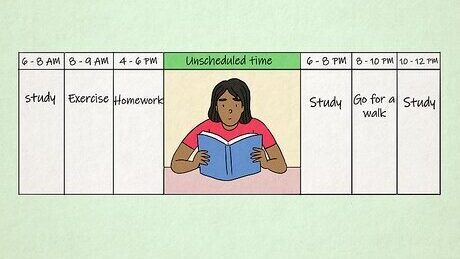
This is the most common question. Students want to know how to structure their time when their peak energy is late at night, especially with morning classes. The focus is on intentional planning, marking late-night study blocks in calendars, and being deliberate about study times even if they’re unconventional.
What is the best time for night owls to study?
Many sources indicate students ask about optimal study hours. Research shows 8 PM – 9 PM and 4 AM – 5 AM are considered ideal times for night owls when there are fewer distractions and the environment is quieter.
Should night owls study in bed or set up a dedicated study space?
This is a frequently debated question. The unanimous answer across sources is NEVER study in bed – students need a dedicated space (desk, kitchen table, or collapsible desk) with proper lighting (bright, cool-toned lights) to promote alertness rather than sleep.
What study methods work best for night owl college students?
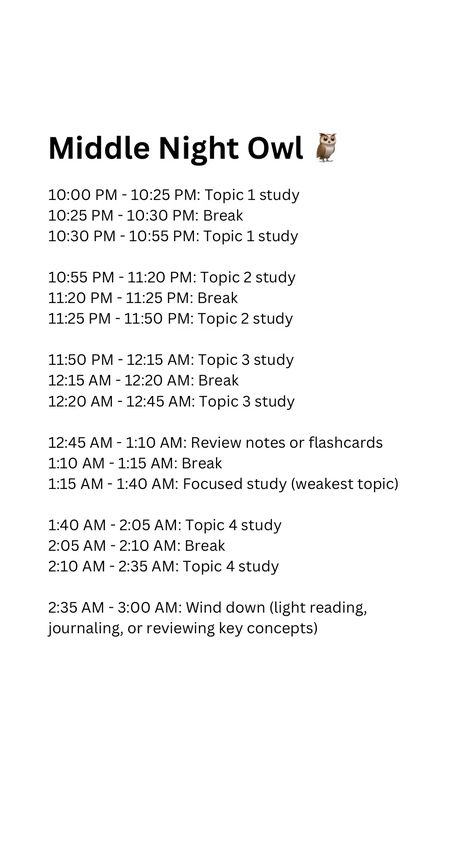
Students commonly ask about techniques like the Pomodoro Technique (25 min work/5 min break or 45 min work/15 min break), spaced repetition, active recall methods, and how to take effective breaks during late-night sessions while staying organised.
How can night owls balance studying at night with getting enough sleep for morning classes?
This is a major concern since most college classes don’t start at 9 PM. Students ask about managing sleep schedules, when to stop studying, whether all-nighters are worth it (they’re not), and how to prepare for morning lectures when their natural rhythm is to stay up late.





Если намереваетесь поездку в Калининград, стоит учитывать, что балтийское море в этом регионе весьма прохладное — температура моря в Калининграде летом редко поднимается выше +18…+20°C. Сезон купания типично начинается в июне и продолжается до августа, но получится ли купаться в Калининграде в сентябре или октябре, выбирать вам — вода оперативно остывает. Для тех, кто хочет посмотреть достопримечательностями, рекомендуется обратить внимание на старинные замки Калининградской области, форт 11 Калининград и исторический город с красивыми улицами и архитектурой.
Если желаете провести вечер в Калининграде, разумно заглянуть в органный зал, где периодически проходят концерты органной музыки, а для семейных пар с детьми отлично подойдут музеи и зоопарк. К слову, если выбираете, куда сходить в Светлогорске с детьми или куда сходить в Гвардейске — там также множество интересных мест и природных красот. Более подробный маршрут и последние советы по погоде и экскурсиям обнаружите здесь: [url=https://school16vlad.ru/]что посмотреть в гвардейске[/url] .
Если планируете поездку в Калининград, без сомнения уделите внимание природным пляжам Калининградской области и купальному сезону в Балтийском море — здесь можно купаться уже с июня, хоть и температура воды подчас прохладная. Для прогулок замечательно подойдёт пеший маршрут по Калининграду с посещением старинного центра, кафедрального собора и смотровых точек, а также стоит заехать в калининградский зоопарк — не забудьте узнать заранее режим работы и цены на билетов заранее. Расширенную информацию можно найти тут [url=https://superotvet.ru/]район амалиенау маршрут[/url] .
Помимо этого советую уделить внимание на архитектуру Калининграда с примерами немецкой архитектуры и форт Дёнхофф с его фото, которые идеально подойдут для интересующихся историей. Для лёгкого путешествия узнайте, как добраться до до популярных мест, например, в Зеленоградск на электричке или до Рыбной деревни. Если хотите найти, где вкусно позавтракать в Калининграде, много кафе предлагают отличные завтраки — замечательный старт дня перед обзором достопримечательностей.
# Spintax Version:
В случае если у вас есть лишь один день для обзора с Венециией, рекомендую воспользоваться обстоятельным пешеходным маршрутом по Венеции на 1 день. Подобный маршрут с картой даст возможность увидеть первостепенные достопримечательности, не затрачивая время на избыточные поиски. Что изучить в Венеции за 1 день — это в первую очередь площадь Сан-Марко, Дворец дожей и прохождение по небольшим улочкам с мостами, а карта маршрута заметно облегчит нахождение дороги. Обстоятельнее по теме и вариации маршрутов можно обнаружить здесь [url=https://holidaygid1.ru/]палермо сан вито ло капо[/url] .
Кроме того важно иметь в виду, как добраться из разнообразных точек Италии, допустим, из Рима в аэропорт Чампино или из аэропорта Бергамо в Милан Мальпенса. Доскональные советы по перемещению окажут помощь сэкономить временные ресурсы и нервы, в особенности если вы планируете к пересадкам или едете на вечерний рейс. Если помимо того интересуют вопросы, как проехать из Венеции в альпийские Альпы или озеро Гарда, на форуме есть много ценных советов и рекомендаций.
When you’re curious about identifying your right color palette, tools like Color Analysis Pro and its zero-cost alternatives can be incredibly helpful. For example, the Deep Summer color palette is great for those with fresh, muted tones, and knowing your season can make opting for clothes or makeup so much effortless. If you want to check out a quick test or explore algorithm-based options, check out [url=https://color-analysis-quiz.org]which season am i[/url] for some gratis color analysis quizzes and insights.
Also, if you’ve used Color Analysis Pro but are unsure how to cancel your subscription or access your login, there are uncomplicated guides online that take you through the process systematically. Understanding your coloring—whether it’s yellow undertone, olive, or pale—and how it fits into seasonal color analysis, like Soft Autumn or Cool Winter, can actually transform your wardrobe choices without complication.
Если задумали поездку в Калининград, точно загляните в Рыбную деревню — это наиболее уютных мест города с замечательными ресторанами и видом на море. Кстати, многих беспокоит вопрос, можно ли купаться в Калининграде и в Балтийском море в целом. Показатель температуры воды летом чаще всего достигает комфортных значений, но лучше изучать прогноз перед поездкой, особенно если планируете отдых на пляжах Янтарного или Зеленоградска.
В дополнение к Рыбной деревни, стоит посетить Кафедральный собор Святых Петра и Павла с его популярным органом — это реальный культурный центр города с постоянными органными концертами. Если привлекательно узнать больше о достопримечательностях и погоде в Калининграде зимой, а также подходящих маршрутах, например, Амалиенау или электричке Калининград — Зеленоградск, настаиваю ознакомиться с исчерпывающим гайдом [url=https://centr-zamaniya.ru/]правдинск калининград[/url] . Это способствует составить план и выбрать отличные места для завтраков и прогулок по старому городу.
Если собираетесь поездку в Калининград, необходимо помните, что море в Калининграде — это Балтийское море, температурный режим воды здесь очень прохладной, и туристический сезон проходит в основном с июля по август. Можно ли нырять в Балтийском море в Калининграде? Да, конечно, но вода редко достигает температуры выше 18–20 градусов, так что приготовьтесь к этому. Также полезно посетить такие локации, как Танцующий лес и музей Янтаря, а ближе к вечеру не проигнорируйте органный концерт в Кафедральном соборе — это одна из самых примечательных точек города.
Для времяпрепровождения отлично подходит район Амалиенау с его прекрасной архитектурой и атмосферными кафе, а также Рыбная деревня — здесь можно достойно поесть и впитать морской атмосферой. Перед поездкой желательно посмотреть новые цены на билеты в Калининградский зоопарк и план органных концертов, чтобы распланировать время. Дополнительно о погоде, маршрутах и билетах можно прочитать здесь [url=https://kolyaska-indigo.ru/]маршрут по калининграду[/url] .
# Spintax Version:
Привет всем, кто организует поездку в Калининград! Если вас интересует, можно ли окунаться в Калининграде летом, важно знать, что температура моря в Балтийском море у акватории Калининграда в августе в среднем достигает комфортных 18-20 градусов, что дает возможность насладиться пляжным отдыхом на янтарной территории или Куршской косе. Зимой, конечно, море прохладное, и зимой температура в Калининграде регулярно держится около 0 градусов, вместе с тем город популярен своей уникальной архитектурой, старым городом и изящными улицами, а также органными выступлениями в соборном храме.
Если вы желаете узнать глубже о том, куда заглянуть вечером в Калининграде или что увидеть в Гвардейске и Светлогорске с семьей, предлагаю посетить расположенные тут замки и форты, такие как, форт № 11 – Дёнхофф, а также музей с янтарем. Для планирования маршрута и ценной информации можно посмотреть сюда [url=https://school16vlad.ru/]кафедральный собор калининград органный концерт[/url] . Помимо этого, в Калининграде множество уютных кафе с завтраками, а также притягательных мест для walks, включающих зеленоградск и fisherman’s village – великолепное место для пребывания всей семьей.
Если собираетесь поездку на Тенерифе, рекомендую посетить Monkey Park Tenerife и знаковое драконовое дерево — символ Канарских островов. Также стоит обратить внимание на пляжи, например, пляж Тереситас и бассейны Lago Martianez, где замечательно можно отдохнуть и насладиться природой. Для поездок по острову выгодно использовать bus Tenerife, расписание которого просто найти в интернете, например, план ligne de bus Tenerife.
Кроме Тенерифе, на Канарских островах немало интересного: Лансароте, Ла Пальма и Фуэртевентура с их самобытной природой и достопримечательностями. Если вас увлекает карнавал, то carnival Tenerife 2025 ожидается незабываемым событием. Материалы и нужные советы по турам по островам и другим городам Испании можно отыскать здесь [url=https://hotelsspain.ru/]тенерифе в ноябре[/url] .