How to make a study schedule for finals
When finals week hits, most students find themselves drowning in a sea of exams, desperately trying to cram everything they learned into a few concentrated studying sessions. But here’s what nobody tells you: the difference between acing your courses and barely scraping by isn’t about intelligence it’s about having a realistic game plan that you can actually follow through with. I’ve watched countless students panic when they realize their chemistry grade is hovering around that crucial threshold, or their English class performance suddenly matters more than they thought. The truth is, creating an effective study schedule isn’t just about blocking off time; it’s about understanding your own body’s energy levels, knowing when your brain’s ability to absorb information peaks, and structuring your study sessions accordingly. Think about it: you wouldn’t schedule your hardest study session when you’re barely awake, right? Yet I see freshmen make this mistake constantly. The real challenge comes when you’re juggling six classes per semester, maybe working 20 hours a week, trying to keep up with homework, projects, and assignments while also maintaining some semblance of sanity. What separates successful students from overwhelmed ones is their capability to map out their focused study time with surgical precision, identifying exactly which material needs review, which specific chapters require deeper attention, and most importantly, how much commitment each subject truly demands. Get exam preparation tools at Scheduloom to streamline this entire process and avoid that last-minute time crunch that derails even the most well-intentioned students.

Know When Your Tests Are / Decide on a System
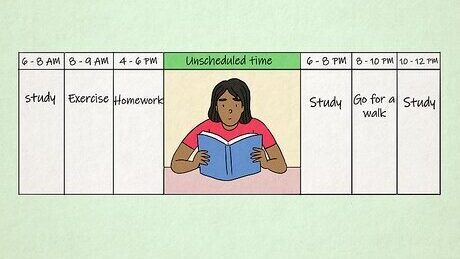
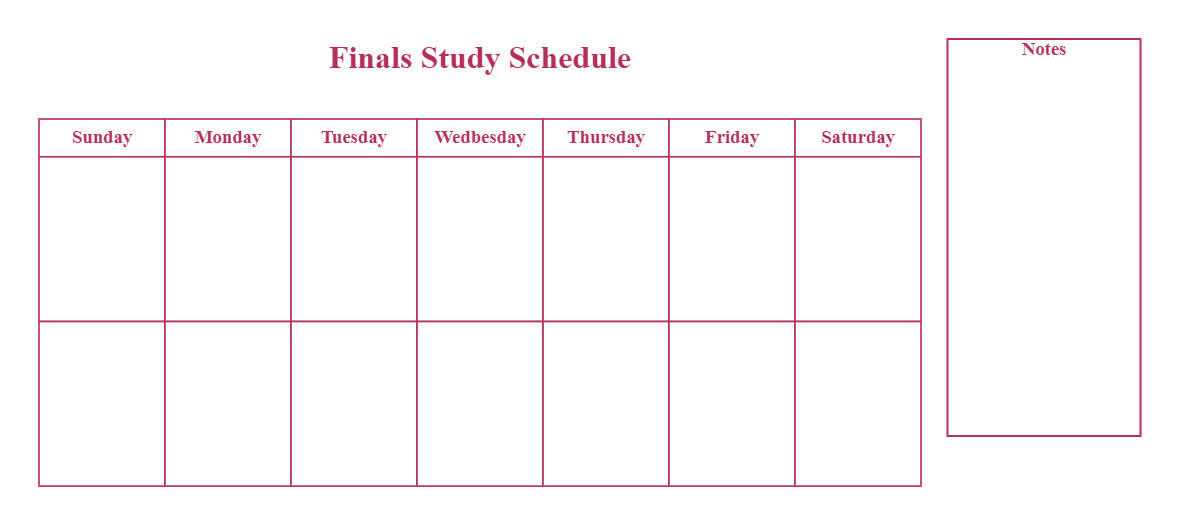
The architecture of finals preparation collapses when you lack concrete exam dates and times first—write these down before entertaining any notion of structured learning. I’ve watched countless students during my freshman year obsessing over planning elaborate revision schedule frameworks while remaining obliviously disconnected from their actual time constraints. You must find out when exam weeks arrive because these anchors are not flexible, unlike your social calendar or weekend Netflix binges. Once you’ve mapped these immovable challenges, choose your personal coordination system: smartphone calendar reminders, physical planners, or even spreadsheet warriors who thrive on color-coded cells. The point isn’t aesthetic perfection but functional clarity that prevents procrastinating when studying inefficiently becomes tempting. Some students create backward-working timelines, others use forward momentum—neither approach proves universally superior. What matters? Your system must help you visualize where uninterrupted time exists between weekly work obligations, that long commute, your volunteer schedule, and other time-consuming tasks that impede studying if ignored. An exam study plan, college demands acknowledging these limitations rather than pretending you possess unlimited bandwidth. The brutal reality: having structure means confronting what you cannot control (when tests happen) and what you can (how you position yourself to finish prepared). Your goal here isn’t creating some Instagram-worthy study schedule but engineering a specific roadmap that matches your actual existence—meals, sleep patterns, and the workouts that keep your stress levels from spiraling. This groundwork transforms abstract anxiety into tangible planning, converting the reflective process of “I should study more” into “I will study thermodynamics Tuesday at 3 PM” because you’ve identified genuine gaps in your available hours. Don’t simply assume the calendar will cooperate; force it to reveal how to create a study schedule for college that acknowledges your real-time ecosystem rather than some idealized 80-hour study week fantasy.
Arm Yourself with as Much Knowledge as Possible
Walking into finals preparation schedule without a complete intelligence briefing is like attempting to navigate hostile terrain blindfolded—you’re setting yourself up for ambush by questions you never anticipated. The most seasoned academic survivors understand that knowledge isn’t just power; it’s ammunition. Before you even think about blocking out study hours or color-coding your planner, you need reconnaissance. Hunt down every syllabus document, every exam outline your professors might have buried in the university website, and every cryptic hint dropped during those final class sessions. I’ve watched too many students stumble because they assumed they understood the scope of their tests, only to discover the night before that three chapters they’d dismissed were actually fair game. Your first mission is extraction—pull every piece of important material from lecture slides, textbook margins, and discussion board threads. Cross-reference what you’ve gathered against what professors emphasized during review sessions. This isn’t paranoia; it’s strategic preparation. The student who maps out knowledge gaps early can actually prioritize their cognitive resources instead of panic-cramming disconnected facts. Make phone calls, send emails, and check locations where review sheets might be posted. Treat this intelligence-gathering phase like a last-minute study schedule before exam insurance policy—the more thoroughly you understand what’s actually being tested and where your understanding falls short, the more precisely you can deploy your limited study hours. Don’t just skim surfaces; dig until you’ve identified exactly what weaponry you’ll need for each academic battlefield. This groundwork transforms random studying into targeted, efficient combat preparation that actually builds confidence instead of just burning midnight oil.
Get a Sense of How Much Time You Have for Studying on Each Day
Before diving into scheduling your finals preparation, you need an honest inventory of available hours—not what you wish existed, but what reality actually permits. Start by mapping your week with brutal honesty: work obligations, existing commitments, and non-negotiable responsibilities that won’t disappear just because exams are approaching. I’ve watched countless students overestimate their capacity during finals week, creating study schedules that require 16-hour days when they realistically have six usable hours after accounting for sleep, meals, and maintaining basic health. The Pomodoro Technique for college students proves especially valuable here because it forces you to think in concrete blocks of time rather than vague “I’ll study all day” declarations. Look at each day individually—Monday might offer seven solid hours while Wednesday barely provides three due to that class that met once a week but still holds a review session. This granular view becomes your foundation for effective planning, helping you avoid the trap of backward-planning from exam dates without considering whether the amount of time you’re allocating actually exists in your calendar. Once you’ve identified genuine gaps, you can begin creating realistic study sessions instead of aspirational ones that crumble under the weight of actual demands. Your schedule should reflect truth, not optimism—because planning with accurate pictures of available hours means you’ll actually follow through rather than abandoning the entire system when fantasy meets reality on day two.
Prioritize Your Tests
I’ve learned through multiple exam cycles that not all final exams carry equal weight, yet students often spend equal hours prepping for each—a strategic mistake I see frequently. When you’re creating a study schedule for finals, the first step involves brutal honesty about which test actually determines your semester’s trajectory. Pull out every syllabus, check what percentage each final counts toward your overall grade, and rank your exams accordingly. Is that chemistry final worth 40%? It needs more time than the philosophy test which comprises just 15%. But here’s where most people mess up—they look only at percentages without considering their current standing. If you’re sitting at 92% in biology but 78% in calculus, that calculus exam becomes your priority regardless of final weight, because one poor performance there could drop you a full letter grade. I always make a simple list: course name, current grade, final exam percentage, and potential grade outcomes. This realistic assessment shows exactly where your effort should go. Another thing—some professors give cumulative finals covering everything, while others focus on post-midterm material. The cumulative ones demand earlier preparation since you’re essentially reviewing an entire semester. Don’t just divide your study time evenly; create a prioritized attack plan where your highest-stakes exams get the lion’s share of your best mental hours. This tactic isn’t about neglecting anything—it’s about strategic resource allocation when time runs short and you need to maximize returns on your studying investment.
Create Your Schedule / Fill in Study Topics
Once you’ve mapped out when your tests are and assessed which classes demand the most focus, it’s time to populate your schedule with actual content—and this is where most students either thrive or completely derail their college finals study routine. Don’t just block out vague chunks labeled “study biology”; instead, drill down into the gritty details of what each session will actually cover. If your chemistry final grade hinges on electrochemistry and acid-base reactions, write those specific units into your calendar for the week before exam day, giving yourself a good time window to review without cramming. This aims to cover discrete topics well before the actual test date,forcing you to engage in frequent recall, which reinforces learning and realistically assesses your understanding of each topic. For a Freshman Study Schedule, this granular approach is especially critical because you’re still calibrating how long different materials actually take to digest. Maybe you’ll devote Monday morning to thermodynamics sections and Tuesday afternoon to organic nomenclature, but whatever you do, be specific—try instead of writing “Study CHEM 123” to write “Study CHEM 123 acid-base and electrochemistry.” This habit not only clarifies your study plan but also means you can assess knowledge gaps early enough to visit office hours or ping your TAs for help. When you break up courses into many days of targeted study, you’re essentially preparing in advance with a single-minded focus that transforms busy schedules into manageable, efficient studying machines. It’s a really accelerated move that keeps you from losing confidence as deadlines seep in.
Be Specific with Study Topic
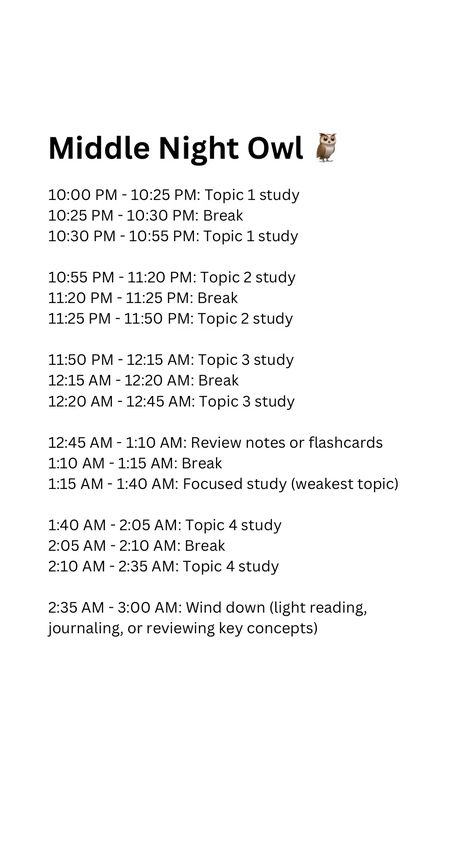
When you’re nearing finals, the tendency to write “study biology” on your calendar reveals why most students fail at time management—vague intentions create vague results. Walter Pauk, the author of “How to Study in College,” advises a counterintuitive approach: create what he calls a Home-Stretch Schedule, an uber-detailed version of your normal schedule that treats studying like intellectual combat requiring precision. Instead of generic blocks, identify every small task—review enzyme pathways, memorize Krebs cycle intermediates, solve thermodynamics problems—and include these little tasks with an amount of detail that feels almost obsessive. This suggestion transforms your second-semester chaos into uncluttered clarity. Pauk’s method recommends you shuffle these small tasks into concentrated batches, freeing up bigger blocks of time needed for complex synthesis. Two principles do matter here: first, session lists with specific things you’ve planned definitely create an accurate picture of what each studying block accomplishes; second, remember Parkinson’s Law—work expands to fill whatever time you allot. To work effectively, recognize that focus starts to diminish after 25-30 minutes on average. Keep these caveats and limitations in mind: you can study effectively and achieve results within a limited amount of time—it’s an excellent way to accomplish deep learning. Take a quick look at actual finals week and note: I didn’t schedule study sessions out of laziness but strategy. You still can succeed by working backwards from exam dates, which will help you leave the day before each exam exclusively for content review—a way to get mandatory study topics out of the way long before that last day. This detailed planning pays off later when panic would otherwise seep in.
Follow Through / Three Final Quick Tips
I’ve watched countless students sabotage themselves not through poor planning, but through execution paralysis once their study calendar exists. The night before implementation, wake up to reality: your brain’s efficiency isn’t uniformly distributed. Morning warriors possess high energy levels naturally, while others find their cognitive energy comes alive when darkness falls. Don’t try forcing yourself into an early riser mold if you’re wired for later sessions—this isn’t about conforming to productivity myths, it’s about honest self-assessment. Pay attention throughout the day when your mind’s clarity peaks; that’s when you study complex material. Different tactics emerge when you’re tech-savvy enough to save tomorrow’s items digitally. Before each day ends, I tune into what I’ve planned for the next hour-by-hour block—an effective tactic that eliminates morning confusion. Here’s what rarely gets discussed: body’s performance dictates mental capacity, so make sure you get regular exercise and take breaks filled with high-density fun. When you’re doing an intensive review and feel yourself going down, give yourself permission to do something completely unrelated—it’ll clear your head remarkably fast. Not everything will flow smoothly, which means you must ask for help early when you’re stuck on something. Office hours can really accelerate your review process if you do them strategically, timing them between your planned blocks. Remember that sticking to whatever schedule you’ve created matters more than perfection—follow it loosely rather than abandoning it completely. Round out your approach by using three additional tips: link your study sessions to specific people who’ll hold you accountable, take active measures to motivate yourself through rewards after completing each block, and improve your environment to eliminate distractions. This article deliberately skips the Corson Technique reference because most students use it incorrectly anyway. The next day’s study items should feel achievable, not overwhelming—further success builds on small wins, not grand ambitions that collapse under pressure.
Consider What Happens If You Go Off Your Study Plan
Look, nobody follows a study plan with single-minded focus 100% of the time—that’s the harsh reality most people refuse to note. When you devote hours to mapping out each day with hour-by-hour precision, then life throws something unexpected at you, the instinct is panic. But here’s where effective tactic thinking comes in: take active measures to identify why the derailment happened rather than spiraling into self-blame. Did you try to wake up early when you’re naturally a night owl, completely ignoring how the mind’s efficiency is dependent on the body’s performance? Were your session lists unrealistic, cramming high-density fun activities into zero-minute gaps? The Corson Technique actually suggests you ask for help early when you’re stuck, not three days before the exam’s material review. Sticking rigidly to a failing schedule breeds the exact anxiety you were avoiding. Instead, give yourself permission to shuffle priorities—link your energy levels to task difficulty, because forcing intellectual combat during your brain’s lowest tune is self-sabotage. Remember Parkinson’s Law: work expands to fill allocated time, so when you fall behind, don’t just allot more hours without a strategy. Take breaks to get a clear head, then make sure you’re doing accurate picture assessments of what truly needs completion. The guiding principles aren’t about perfection—they’re about going forward when plans inevitably crack under real-world pressure. Follow-through doesn’t mean blind adherence; it means really accelerating course correction.
FAQS
How far in advance should I start planning my finals study schedule?
Start creating your study schedule 2-3 weeks before your first final exam. This gives you enough time to thoroughly cover all material without cramming and allows for distributed practice, which is more effective for retention.
How do I prioritize which subjects to study when I have multiple finals?
Prioritize based on three factors: (1) exam date/timing – which comes first, (2) difficulty and amount of material covered, and (3) the percentage of your final grade. Consider both how challenging the material is and how much the exam impacts your overall grade in the course.
How much time should I allocate for studying each day?
Be realistic about your available time. Account for classes, work, meals, exercise, and breaks. Most experts recommend studying in focused blocks of 25-30 minutes or 45 minutes with breaks in between (Pomodoro technique). Avoid scheduling more than 3 hours per task and ensure you’re accounting for your energy levels throughout the day.
Should my study schedule include specific topics or just general subjects?
Be specific with study topics. Instead of writing “Study Chemistry,” write “Study Chemistry: acid-base reactions and electrochemistry.” Breaking courses into specific topics across multiple days forces frequent recall, which reinforces learning and helps you realistically assess your understanding.
What should I do if I fall behind on my study schedule?
Don’t panic or abandon your plan entirely. If you can’t complete a study topic in the allotted time, skip it and move on to other scheduled topics. Try to find time to fit it in later. This approach helps you work more efficiently with better focus and ensures you’re still covering other important material rather than getting stuck on one difficult area.